Free shipping in DE
  30 day returns
  Secure payment
  2 years warranty
Rowing machine does not retract: Causes, solutions and tips
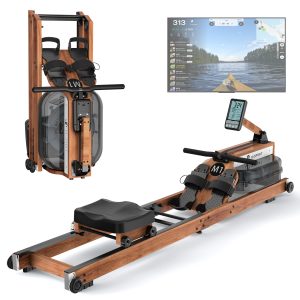
The rowing machine is a popular piece of exercise equipment used in the gym and, increasingly, at home. It offers an effective way to increase endurance, build muscle mass, and promote fat burning. A common problem many users encounter is that the rowing machine no longer retracts. In this article, we'll explore the reasons for this problem, possible solutions, and helpful tips to get your rowing practice back on track.
What does it mean if the rowing machine doesn't retract?
If your rowing machine doesn't return, it means the resistance is no longer working properly. This can have a variety of effects on your workout, significantly compromising the overall rowing experience. The mechanical components of the rowing machine are designed to ensure a smooth return. If this doesn't happen, your workout can become ineffective and frustrating.
Common causes of the problem
There are several reasons why a rowing machine might stop retracting. Some of the most common causes are:
- Mechanical problems: Over time, parts can wear out or become loose. In particular, the belts or cables responsible for return travel can become damaged or defective.
- Resistance Settings: The resistance of the rowing machine may be set too high, making it difficult to pull back. On some machines, this may also be due to the different resistance levels, which can be adjusted manually or electronically.
- PollutionDirt and debris can impair the rowing machine's mechanics. Regular cleaning is therefore essential.
- Electronic malfunctions: Electrically powered rowing machines may experience software errors or problems with the control system that cause the machine to not function correctly.
Diagnosis and first steps to problem solving
Before you begin troubleshooting the problem, it's important to conduct a thorough diagnosis. Here are some steps you can take:
- Check the resistance: Make sure the resistance is set to a low level and there are no obvious blockages.
- Inspect the cables and belts: Check for any visible damage or wear.
- Clean the rowing machine: Remove dirt and deposits, especially on the moving parts.
- Check the electronics: Turn the device off and on again and check the settings.
Practical solutions for pulling the rowing machine
If the rowing machine still does not retract, the following solutions may help:
- Resistance adjustment: Reduce the resistance and test whether the rowing machine is now working properly.
- Replace parts: If there is visible damage to the belt or cable, it may be necessary to replace these parts. Check the manufacturer's warranty if the device is relatively new.
- Professional maintenance: If you can't resolve the issue yourself, consider calling a professional. Professional technicians can usually diagnose and resolve the problem more quickly.
Prevention is key
To avoid future problems, it's important to maintain and clean your rowing machine regularly. Here are some preventative tips:
- Cleaning: Clean your rowing machine after each use to remove dirt and sweat.
- Regular inspection: Check all moving parts regularly for wear and make sure everything is tight.
- Proper storage: Store the rowing machine in a dry room and avoid extreme temperatures that can damage the electronics.
Additional tips for effective rowing training
While you wait for your rowing machine issues to be resolved, there are a few things you can do to ensure you get the most out of your workout:
- Rowing technique: Ensure your technique is correct to avoid injury and maximize efficiency. Keep your back straight and your legs as your primary source of power.
- Vary your training: Incorporate intervals or different rowing workouts to make your workout more varied and challenging.
- Warm up and stretching: Don't forget to warm up before and stretch after your workout to avoid muscle tension.