Free shipping in DE
  30 day returns
  Secure payment
  2 years warranty


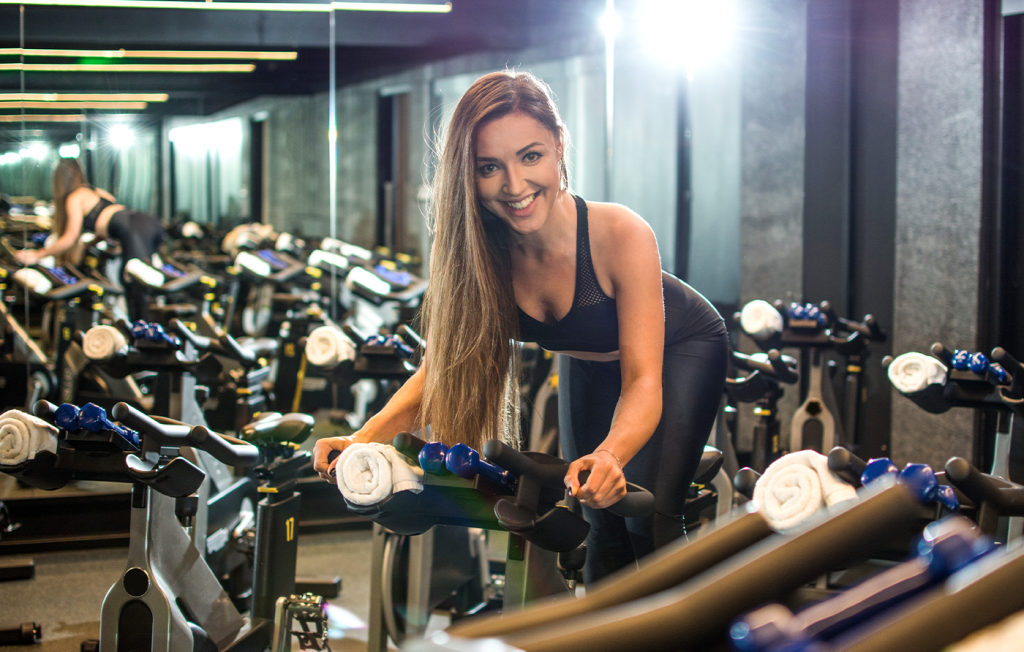
Active recovery sessions on the indoor bike Training to promote myofascial regeneration relies on low-intensity movement to specifically support the connective tissue surrounding the muscles. In contrast to high-intensity interval training, the focus here is on gentle blood flow and smooth, rhythmic movement.
Maintaining a constant pace at low resistance promotes the natural gliding of the fascial layers – structures that are often restricted after intense exertion or prolonged sitting. The smooth pedaling motion supports tissue hydration and the removal of metabolic waste products without creating additional structural stress.
The role of fascia in the holistic movement sequence
To better understand the effects of such recovery sessions, it's worth looking at the body as an interconnected system. Fasciae form a continuous tissue that envelops and connects muscles, bones, and organs.
In a healthy, well-hydrated state, fascia are elastic and gliding, allowing muscles to move smoothly. However, intense strain or lack of movement can cause this tissue to harden, become less flexible, and lose moisture. This results in typical symptoms such as feelings of tension or restricted mobility, which are often not fully resolved by stretching alone.
Light units on the Indoor bike Here, they act as a dynamic form of regeneration. The smooth circular movement of the legs ensures a gentle "internal mobilization" of the tissue. Fascial layers are stretched and then released in a controlled manner, thereby reducing adhesions and restoring natural gliding ability – an important foundation for pain-free movement and long-term performance.
Improved blood circulation and tissue hydration
A key advantage of this training method is the targeted improvement of blood circulation. Compared to muscles, fascia tissue has a less pronounced blood supply and therefore requires specific movement stimuli to remain healthy.
Low-intensity cycling slightly raises body temperature, making tissue more supple. This effect improves the absorption of nutrients into deeper tissue layers and supports regeneration processes.
At the same time, the heart rate remains in the aerobic zone, ensuring that oxygen-rich blood is efficiently transported to the lower extremities. This promotes the repair of microstructures in the connective tissue. Simultaneously, the exercise supports the lymphatic system in removing metabolic waste products such as lactate, which often contribute to a heavy or tired feeling in the legs.
The low intensity ensures that the body is in regeneration mode – a crucial factor for effective connective tissue care.
Rhythmic movement and the nervous system
In addition to the mechanical effects, the nervous system also plays an important role. Fasciae are rich in sensory nerve endings and are directly connected to the brain.
During periods of stress or overtraining, the body often remains in a state of heightened tension, causing muscles and fascia to remain chronically tight. Smooth, predictable movements help the nervous system to transition into a relaxed state ("rest and digest").
During a quiet Indoor bike session can A meditative rhythm develops. This reduces stress hormones like cortisol, which can negatively impact regeneration. Once the nervous system relaxes, deeper tensions in the tissue often dissolve as well – an important step towards lasting recovery.
Targeted relief of the hip and posterior muscle chain
Many people suffer from tension in their hips and lower back due to sedentary work. The sitting position on a Indoor bike It makes it possible to mobilize these areas in a targeted and gentle way.
The focus is not on resistance, but on a fluid movement pattern that opens the hip flexors and gently activates the posterior muscle chain. Adjusting the seat height and handlebar position allows for an ergonomic posture that promotes tissue relaxation.
The smooth pedaling motion also creates a gentle, rhythmic movement in the pelvic area. This has a positive effect on the fascia around the lumbar spine and the sacroiliac joint. Especially after long periods of sitting, this movement helps to release adhesions and restore natural mobility.
Practical implementation of an effective recovery session
For optimal results, some basic parameters should be considered:
Intensity: So low that a conversation is easily possible.
Heart rate: approximately 50–60% of maximum heart rate
Resistance: Very low – almost effortless pedaling
The focus is on the quality of movement and the conscious perception of relaxation and loosening in the tissue.
The recommended duration is 20 to 30 minutes to achieve regenerative effects without causing fatigue. A smooth, consistent pedal stroke, actively utilizing the entire pedal movement, is particularly important. This ensures that all involved structures in the ankle, knee, and hip are stressed evenly.
After the session, many report a lighter, more agile feeling in their body – a sign of improved blood circulation and tissue hydration.
Integration into everyday training
Long-term physical health is based on regularity. The integration of such Active recovery units Including it in the training plan can help to avoid chronic tension and reduce the risk of injury.
Regeneration should not be viewed as a training break, but rather as an active component of a balanced training system. It prepares the body specifically for upcoming stresses and contributes to long-term performance.
Furthermore, these sessions promote body awareness. Those who pay attention to tension and changes during training can react to potential problems early on.
In an everyday life that is often characterized by high intensity, these quiet sessions provide an important balance – for greater mobility, comfort and sustainable well-being.