Free shipping in DE
  30 day returns
  Secure payment
  2 years warranty
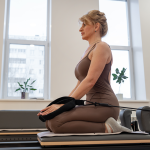

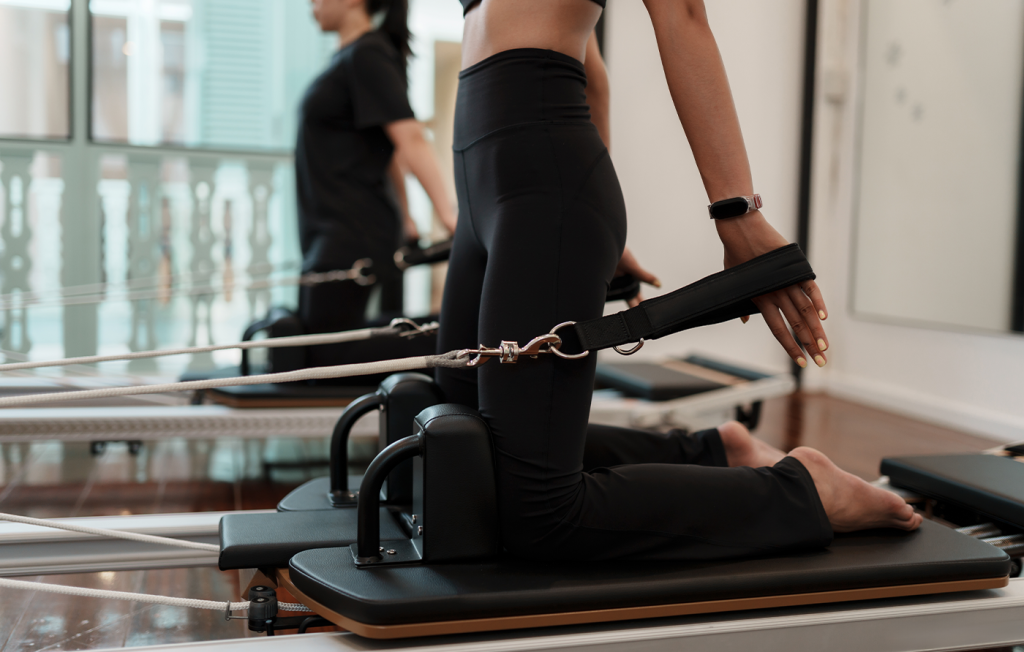
Understanding movement mechanisms is essential for anyone who wants to sustainably improve their physical well-being. The posterior muscle chain, particularly the gluteal muscles, is central to human locomotion and stable posture. However, in modern daily life, these muscles are often insufficiently activated due to prolonged sitting and a lack of varied movement. Pilates for targeted activation of the gluteal muscles This method offers a sophisticated yet joint-friendly approach to improving the neuromuscular control of these important muscle groups. It focuses not only on visual effects, but primarily on the functional interplay of the hip, pelvis, and spine, ensuring that every movement is built on a stable foundation.
The anatomy of the posterior muscle chain and the activation of the gluteal muscles
To truly understand the depth of the Pilates method, it's helpful to first look at the anatomical structures it targets. The gluteal muscles consist of three main muscles: the gluteus maximus, the gluteus medius, and the gluteus minimus. The gluteus maximus is one of the largest and most powerful muscles in the human body and is primarily responsible for hip extension and external rotation. In a typical Pilates session, the focus is on activating this muscle through controlled and targeted movements, without compensating with the lower back. A neutral spinal position and a stable pelvis ensure that the load remains where it belongs: in the intended muscle group.
The gluteus medius and gluteus minimus also play a central role, as they stabilize the pelvis. When walking or standing on one leg, they prevent the hip from sagging, thus supporting the correct alignment of the knee and ankle joints. Pilates for glute activation Pilates emphasizes this stabilizing function through lateral movements and balanced weight distribution. Instead of heavy, explosive loads that can unnecessarily stress the joints, Pilates utilizes the resistance of gravity or spring-based equipment to specifically promote strength, control, and muscular resilience. This makes it clear that strength does not depend solely on muscle volume, but primarily on the ability to safely stabilize the body during dynamic movements.
Neuromuscular connection and proprioceptive perception
A common challenge in modern life is reduced activation of the gluteal muscles, often referred to as "gluteal amnesia." This means that the neuromuscular control of these muscles can weaken. As a result, the hamstrings and lower back often take on more work than is beneficial, which can lead to fatigue or discomfort in the long run. Pilates addresses this issue by specifically strengthening the connection between the nervous system and the muscles. Each movement is performed with heightened awareness, allowing for conscious perception and improvement of muscle activation. This mindful approach is a central component of Pilates for glute activation, as it sustainably supports communication between the central nervous system and the muscles.
Proprioception, the body's ability to perceive its position in space, is also significantly improved through this focused training. During slow and controlled hip extensions, sensory receptors in the joints and muscles continuously send feedback to the brain, refining coordination over time. The goal is not exhaustion, but precision and body awareness. The slower pace of movement allows the nervous system to better identify which muscles are actively engaged and which are under-engaged. This clarity makes it possible to correct unfavorable movement patterns that may have developed over years. Eventually, the body finds it easier to selectively engage the gluteal muscles during powerful movements, thereby relieving stress on other structures.
The interplay of pelvic stability and hip extension
The pelvis forms the central connection between the upper body and lower extremities. Its alignment influences both the health of the lumbar spine and the efficiency of leg movements. A stable pelvis is essential for hip extension. If the pelvis tilts too far forward or backward during an exercise, the gluteal muscles cannot reach their full activation potential. Pilates for glute activation It therefore teaches how to find and maintain a neutral pelvic position. This serves as a stable base from which the hip joint can move freely and in a controlled manner. This better activates the posterior chain muscles while simultaneously reducing excessive tension in the hip flexors.
Biomechanical efficiency is further enhanced by the interplay of the pelvic floor and deep abdominal muscles. In Pilates, these muscle groups work together with the glutes to stabilize the lumbar spine from within. This internal support system creates the foundation for the safe execution of even complex movements. In a bridge, for example, the activation of the glutes is supported by the stabilization of the pelvic floor and core, allowing the pelvis to lift in a controlled manner and as a functional unit. This integrative approach helps to reduce unnecessary stress and shear forces in the spine, which are more common in less controlled movements. Those who work specifically on this synergy develop a body awareness that conveys stability and security from within.
Overcoming reciprocal inhibition in everyday life
A key reason why many people struggle to activate their posterior muscle chain is the principle of reciprocal inhibition. Chronically tense muscles on the front of a joint—such as the hip flexors—can inhibit the activation of their antagonists on the back, i.e., the gluteal muscles. Since many people sit for long periods every day, the hip flexors are often in a shortened and overactive position. This further restricts the activity of the gluteal muscles. Pilates for glute activation This helps to correct this imbalance by mobilizing and lengthening the front of the hip while simultaneously strengthening the muscles on the back. In this way, the natural balance in the hip area can be gradually restored.
Through the targeted use of eccentric muscle work – that is, force development during the lengthening of a muscle – Pilates offers a particularly effective solution for muscular imbalances. Instead of only training the gluteal muscles during contraction, many exercises also require controlled return to the starting position. This eccentric control is crucial for everyday movements such as descending stairs or sitting down with control. As a result, the gluteal muscles are not only strengthened during the power phase but also improved in their braking and stabilizing functions. This holistic approach helps to reduce typical ailments associated with a sedentary lifestyle and makes the body more resilient to everyday stresses.
Long-term effects on spinal and joint health
Many people begin Pilates for aesthetic reasons, but the most lasting benefits of improved posterior chain activation are seen in the health of joints and spine. The gluteal muscles play a vital role in cushioning and transferring forces. Every time the foot touches the ground, forces are exerted on the legs, hips, and back. When the glutes are functioning well, they can help distribute these loads more effectively, thus relieving stress on the knees, hips, and lower back. Pilates for glute activation It can therefore make a valuable contribution to reducing excessive wear and tear in the long term. By helping the body learn to distribute loads more efficiently, the functional performance of the musculoskeletal system is sustainably supported.
The relationship between the gluteal muscles and the spine is also of great importance. A strong and well-coordinated posterior muscle chain helps to better maintain the natural curves of the spine and avoid postural defects such as excessive lordosis (swayback) or slumped posture. In a calm and supportive Pilates environment at home, these subtle alignment details can be worked on particularly well, without external pressure to perform. The result can be a more upright posture, a lighter gait, and an overall more stable sense of body awareness, which has a positive impact on many everyday situations. Whether carrying groceries, lifting a child, or standing for extended periods – the stability built through controlled movements provides reliable support in daily life. This is precisely the essence of mindful movement: developing a body that is simultaneously efficient, controlled, and balanced.
Conclusion
In summary, Pilates offers a scientifically grounded path to greater physical balance, stability, and strength. When we focus specifically on activating the gluteal muscles, it's about far more than simply building muscle – it's about the conscious reorganization of movement patterns. This process requires patience, precision, and a willingness to pay attention to the subtle signals of one's own body. By combining anatomical understanding with mindful movement practice, the effects of a modern, sedentary lifestyle can be effectively counteracted. The path to a stronger posterior chain is ultimately also a path to greater stability, better balance, and a more vital sense of well-being – with movements that consciously express health and body awareness.