Free shipping in DE
  30 day returns
  Secure payment
  2 years warranty



Understanding your rowing machine: The foundation of all maintenance
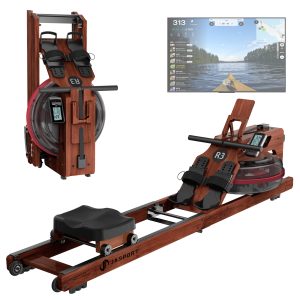
A rowing machine is a technically sophisticated fitness device that simulates the rowing motion on water and provides a full-body workout – from the legs to the upper back. Unlike virtual reality treadmills, which combine running or walking with immersive visual effects, rowing machines rely on mechanical resistance systems to generate their training effect.
To properly maintain your rowing machine, you should first familiarize yourself with its most important components. These typically include:
credentials for Seat rail, on which the seat glides gently back and forth
credentials for Footplate and foot strap, which secure your feet during training
is resistance mechanism, which determines the intensity of your rowing
the flywheel (especially important in air and water resistance models), which generates resistance through its rotation
is Monitor or console, which displays training data such as beats per minute, distance and calorie consumption
Each type of rowing machine – air, magnetic, water or hydraulic resistance – has its own maintenance requirements:
air resistance devices They use a fan-like flywheel that creates air resistance when rowing – here, the maintenance of the flywheel and ventilation openings is particularly important.
Magnetic rowing machines They work with adjustable magnets for resistance control. They often have fewer moving parts, but still require regular lubrication of the seat rail.
water resistance devices They use a water tank and a paddle wheel to generate resistance and require regular cleaning of the water tank.
Hydraulic models (Less commonly) they operate via fluid compression and must be checked for leaks or loss of hydraulic fluid quality.
The better you understand the setup and resistance type of your rowing machine The more you know, the more precisely you can adapt your maintenance routine to its specific weaknesses.
Daily/Weekly Quick Checks: Establishing a Simple Routine
Consistency is key when maintaining your rowing machine. A simple daily or weekly routine can prevent many problems from arising in the first place.
Start after each use with a quick look at the Seat rail – the most frequently moved part. Check for dust, sweat, or dirt that could accumulate on the rail and impede its gliding. Wipe the rail with a dry cloth to remove any loose residue. For dirt in grooves or rail profiles, a soft brush will help.
Next, you check footplate and strapsThey are crucial for safety and performance, as they secure your feet during intense rowing sessions. Pay attention to:
frayed strap edges
loose or worn-out buckles
loosened screws on the base plate
Tighten any loose screws and replace any heavily worn belts.
Also neglect the screws and bolts The device itself is not designed for continuous use. Vibrations from rowing can cause fasteners to loosen over time – especially around the seat, footplate, and monitor. You can quickly tighten loose parts with a Phillips screwdriver or Allen wrench. Pay particular attention to the monitor mount, as a wobbly display can lead to inaccurate readings or even detach during use.
These 5-10 minutes after training take little time, but noticeably extend the lifespan and stability of your rowing machine.
Basic cleaning: Protection against dirt and corrosion
While daily checks catch acute problems, regular deep cleaning protects your rowing machine from long-term damage caused by dirt, sweat and moisture.
Start with Frame, seat and handle:
Wipe all surfaces with a soft, non-abrasive cloth lightly dampened with mild soapy water. Do not use harsh cleaners or solvents, as they can damage the surface coating or rubber grips.
The Seat rail It is particularly prone to the build-up of sweat and skin oil, which reduces its lubricating properties over time. You should clean it every 2–4 weeks:
a message silicone-based lubrication (suitable for fitness equipment) apply.
Spread a thin, even layer along the entire length of the rail.
Wipe off excess silicone with a cloth to avoid sticky residue and dust adhesion.
For Air and water resistance devices The flywheel and, if applicable, the water tank require special attention:
Flywheel (air resistance):
Carefully remove dust and lint from the housing and ventilation slots using a dry brush or compressed air.
Water tank (water resistance):
Empty and clean the tank regularly to prevent algae growth or limescale deposits.
The Monitor Wipe only with a dry microfiber cloth. Never spray cleaning agents directly onto the display or buttons to prevent liquid from penetrating the screen.
Lubrication: Keeping moving parts in top condition
Lubrication is crucial for the smooth functioning of the moving parts – especially the seat rail and the joint points.
Seat rail:
It is the central component for the movement sequence. Without proper lubrication, the seat can move jerkily or unevenly.
→ Use a special silicone-based fitness equipment spray and apply a thin layer.
Attention:
Too much lubricant attracts dust and dirt and can ultimately create more friction than smoothness. Therefore, use it sparingly.
For magnetic rowing machines You should regularly look at Joint points and pivot joints Throwing – for example, where the seat or handle is connected to the frame. If these points run without lubrication, the following can happen:
Squeaking noises
uneven resistance
increased wear
If necessary, apply a small amount of lubricant, always according to the manufacturer's instructions.
For aerodynamic drag models can provide additional care flywheel axle or adjacent parts may be necessary – especially if you notice fluctuations in resistance. In any case: follow the operating instructions, use the correct lubricant, and don't overdo it.
Checking and tightening screws: Avoid loose connections
The constant movement during rowing causes vibrations that can loosen screws and connections over time. Therefore, you should systematically inspect the machine approximately every 2-3 months.
Check seat
Does it run smoothly and without side-to-side wobbling?
Tighten the screws on the seat and on the rail attachment.
Check the footplate
Secure fit to frame and console?
Are the strap fastenings secure and stable?
Replace any loose or damaged material.
Check monitor mount
Is the screen shaking?
Tighten all screws to ensure the displays remain stable.
Handle and pull mechanism
The handle must not wobble or have any "play".
Tighten the mounting screws on the frame.
These regular hardware checks help prevent sudden defects and ensure that your rowing machine remains stable even under load.
Keep an eye on wear and tear: When parts need to be replaced
Even with good care, certain components are subject to natural wear and tear.
Pay particular attention to:
foot straps – lose tension over time, fray, or become thin.
Seat upholstery – can compress over time and lose comfort.
Seat rail – Deep scratches or grooves can impair the barrel's performance.
resistance unit – can lose precision or become uneven over time.
The Monitor This is another sensitive element. Signs of problems:
delayed or inaccurate key response
weakening display
incomplete or faulty training data
In such cases, first:
Check plug connections
Clean contacts carefully
If the problem persists, it may be necessary to replace the monitor or individual components.
Unusual noises – such as creaking, squeaking, or rattling – are warning signs. They often indicate:
worn bearings
loose parts
lack of lubrication
The sooner you react, the less damage will result.
Storage & Environment: Protection from external influences
The environment in which your rowing machine is located has a significant impact on its lifespan.
Avoid:
damp or poorly ventilated rooms (e.g., damp basements) → rust, mold, warping of wood/plastic
direct sunlight → Fading of the frame, yellowing of the display, material aging of the handles and padding
In case of lack of space:
Store the device upright and stable.
Use a breathable, water-repellent cover
During seasonal climate fluctuations:
In summer: use a dehumidifier if necessary or apply corrosion protection to metal parts.
In winter: protect from extreme temperature fluctuations to avoid material cracks or contraction.
If you only use your rowing machine occasionally, keep it covered at all times to prevent dust buildup. Do not place heavy objects on it – this can deform the frame and components.
Maintaining performance: The reward for consistent care
The effort you put into maintaining your rowing machine Your investment pays off directly – in the form of:
uniform sliding behavior
reliable resistance
precise training data
greater training comfort
A clear maintenance routine – including daily quick checks, regular deep cleaning, targeted lubrication, hardware checks and an appropriately stored environment – prevents expensive repairs and premature replacement.
This ensures your rowing machine remains a reliable training partner – whether you row occasionally or train intensively. While virtual reality treadmills offer immersive running experiences, a well-maintained rowing machine provides a unique, joint-friendly full-body workout that, with proper care, can serve you faithfully for many years.