Free shipping in DE
  30 day returns
  Secure payment
  2 years warranty
Rowing Machine Impingement – A Guide to Injury Prevention
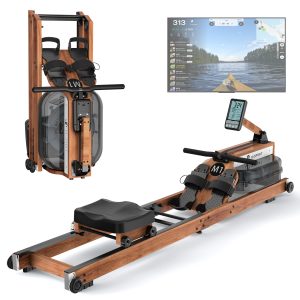
The rowing machine is a popular piece of exercise equipment that targets a variety of muscle groups and offers an effective cardio workout option. However, when using a rowing machine, it's important to pay attention to proper technique to avoid injury. A common injury that can occur when using a rowing machine is impingement syndrome.
Impingement syndrome occurs when the tissue in the shoulder joint becomes pinched or compressed. This can cause pain, inflammation, and even long-term damage if not treated properly. Fortunately, there are steps you can take to minimize the risk of impingement syndrome while rowing.
Correct technique is crucial
To minimize the risk of impingement syndrome, it's important to use proper rowing technique. Make sure to keep your shoulders relaxed, your elbows close to your body, and your movements fluid and controlled. Avoid hunching your shoulders too high or placing excessive strain on the shoulder joint.
Regular warm-up and stretching
Before starting your rowing machine workout, it's important to warm up properly and stretch your muscles. This helps increase circulation, improve flexibility, and minimize the risk of injury. Perform dynamic stretches for your shoulders, arms, and upper back to prepare the affected muscles for training.
Strengthening the shoulder muscles
To reduce the risk of impingement syndrome in the long term, it's important to strengthen your shoulder muscles. Add exercises to your training plan that aim to improve shoulder muscle stability and strength. These include exercises like lateral raises, reverse flys, and keg pulls.
recovery and regeneration
After training, it's important to give your body enough time to rest and recover. Listen to your body's signals and allow yourself rest breaks when needed. Make sure you get enough sleep, stay hydrated, and eat a healthy diet to support your muscles' recovery.
Conclusion
Impingement syndrome can be a painful and long-term injury caused by incorrect technique and excessive strain while rowing. By following the tips above, you can minimize the risk of impingement syndrome and ensure your workout is effective and injury-free. Always remember to listen to your body, warm up properly, and strengthen your muscles to maintain your enjoyment of your workout.