Free shipping in DE
  30 day returns
  Secure payment
  2 years warranty
Introduction
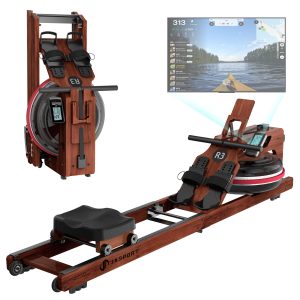
In recent years, the search for effective and time-saving fitness solutions has led to a sharp increase in the popularity of indoor fitness equipment. Many people want to keep fit without having to spend hours outdoors or in crowded gyms. Among the numerous options, the rowing machine proven to be particularly effective. This versatile training device offers a low-impact workout that's suitable for people of all fitness levels. In this article, we explore the full-body workout with the rowing machine and show how it helps you burn calories efficiently while building strength.
The Science Behind the Rowing Machine
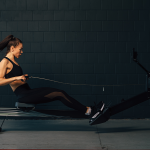
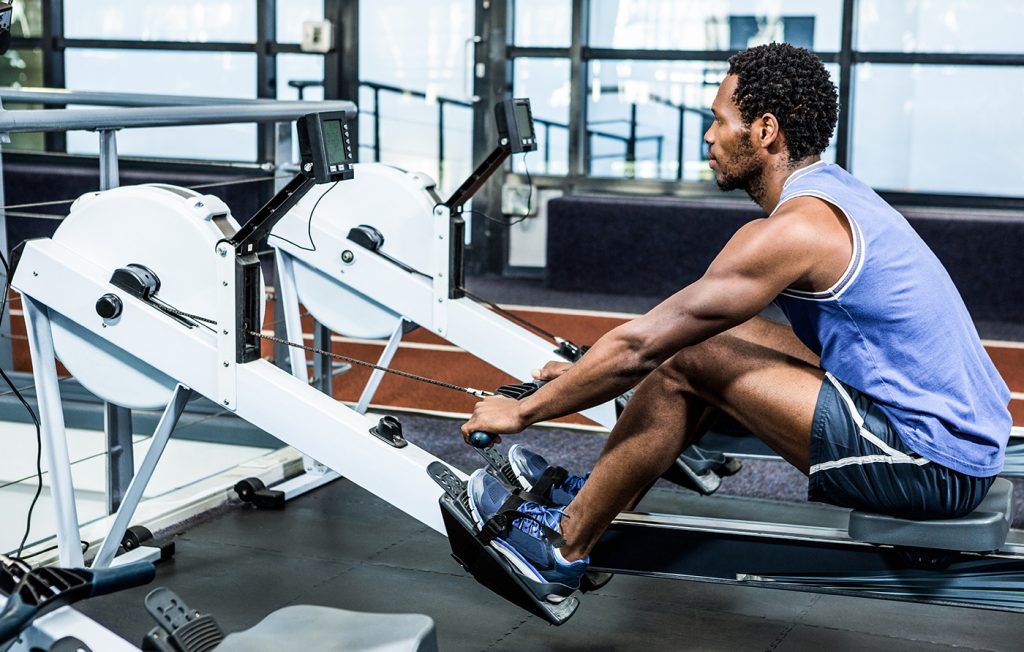
The rowing motion is a complex but extremely effective movement that engages multiple muscle groups simultaneously. At the beginning of the rowing stroke, the legs generate power by pushing off the footrests. This primarily engages the quadriceps, hamstrings, and gluteus muscles, setting the movement in motion. As the legs extend, the pelvis tilts forward, engaging the lower back and core muscles for stabilization.
Once the legs are fully extended, the arms come into play. Pulling the handle toward your chest activates the biceps, triceps, and back muscles—especially the latissimus dorsi and rhomboids. This coordinated movement of the lower body, torso, and upper body makes the rowing machine a true powerhouse for a full-body workout.
Rowing is also extremely effective from a cardiovascular perspective. The heart and lungs must work continuously to supply the working muscles with oxygen. This sustained activity increases the heart rate and, over time, improves endurance. Compared to other popular sports, the rowing machine can often burn the same or even more calories – in a relatively short period of time. This makes it particularly suitable for anyone looking to lose weight or improve their overall fitness.
Whole-body muscle activation
A key benefit of a full-body rowing workout is the simultaneous engagement of multiple muscle groups. Let's start with the legs: The quadriceps on the front of the thighs are instrumental in the initial push-up phase. They powerfully extend the knees and generate propulsion. The hamstrings on the back of the thighs work with the quadriceps to control the movement and ensure stability. The gluteal muscles contribute to hip extension and provide additional power.
The core also plays a central role. The abdominal muscles, especially the rectus abdominis and obliques, are active throughout the rowing movement to keep the upper body stable. The back muscles, such as the erector spinae, ensure correct posture and protect the spine from hyperextension or rounding.
The arms also receive a comprehensive workout: The biceps bend the elbows as the handle is pulled in, while the triceps straighten the arms at the end of the movement. The back muscles, especially the latissimus dorsi and the rhomboids between the shoulder blades, are responsible for pulling the handle. This comprehensive muscle activation ensures that no muscle group is neglected during rowing.
Efficient calorie burning
The rowing machine is an extremely effective way to burn calories. The continuous, rhythmic movement combined with the simultaneous engagement of multiple muscle groups ensures a permanently elevated heart rate. This causes the body to constantly burn calories for energy.
Rowing becomes particularly effective through the combination of aerobic and anaerobic elements. The aerobic component comes from the steady movement, which increases oxygen consumption and endurance. The anaerobic component results from the resistance of the machine, which forces the muscles to work more intensively. This combination leads to the so-called afterburn effect (EPOC = Excess Post-Exercise Oxygen Consumption): After training, the body continues to work at full speed to replenish oxygen stores, regenerate muscles, and metabolize waste products – all while continuing to burn calories. In the long term, this effect can contribute significantly to fat burning.
Strength and endurance building
Rowing is excellent for increasing both muscle strength and endurance. The repetitive, controlled movements train the muscles to work for longer periods without fatigue. As the duration and intensity of the exercise increase, the muscles adapt, improving their efficiency in oxygen and nutrient utilization and thus gaining endurance.
The principle of progressive overload can also be applied to rowing training. By gradually increasing the resistance or training duration, the muscles are continuously challenged, promoting their growth and strength development. For example, you can start with low resistance and a 20-minute session and gradually increase the resistance or lengthen the training time. This gradual increase leads to sustainable muscle growth.
Another advantage: Rowing is gentle on the joints. Unlike high-impact exercises like running or jumping, rowing puts minimal pressure on the joints. This makes it an ideal form of exercise for people with joint problems or for anyone who wants to train long-term without increasing the risk of injury.
Adapt your rowing training individually
A big advantage of rowing machine lies in its adaptability. Most machines have adjustable resistance levels, allowing you to adapt your workout to your individual fitness level. Beginners can start with low resistance and gradually increase it as their fitness improves. This allows you to build endurance and strength at your own pace.
Interval training is also an effective method for individual training. You can alternate between intense phases and recovery phases—for example, 30 seconds of intense rowing followed by 60 seconds of slower pace. Doing several such cycles in a row not only increases calorie burn but also improves endurance and anaerobic capacity.
Proper technique is also important. Incorrect posture not only reduces the effectiveness of your workout but also increases the risk of injury. Make sure your back is straight, your core is engaged, and that the movement is initiated from your legs. Avoid hunching your back or excessive arm movement to avoid unnecessary strain on your back and shoulders. With correct technique, you'll get the most out of your workout – safely and effectively.
Integrate rowing training into your daily fitness routine
To maximize the benefits of a full-body rowing machine workout, it should be part of a comprehensive fitness program. A good starting point is 3 to 5 sessions per week, each lasting 20 to 45 minutes—depending on your fitness level and goals.
Other forms of exercise should also be included in your plan. Stretching exercises and mobility training before and after rowing (10–15 minutes each) promote mobility and prevent injuries. This keeps muscles and joints supple and reduces the risk of muscle soreness.
Variety is also important: Combining it with other endurance sports like indoor cycling or swimming adds variety to your workout, activates different muscle groups, and prevents overtraining. For example, you can row one day and cycle the next.
The key to success is consistency and a gradual increase. Don't overexert yourself right from the start. Build up your training gradually—this allows your body to adapt and progress without excessive strain.
Physical and mental benefits beyond fitness
In addition to the physical benefits, rowing machine training also offers numerous mental advantages. The steady, rhythmic movement has a calming and stress-relieving effect. Those who focus on breathing and movement can achieve a state of mindfulness – which reduces anxiety and lifts the mood.
Rowing also improves posture and core stability. The constant engagement of the core muscles strengthens the core, which can lead to better posture and less back pain.
What's particularly pleasing is that rowing is accessible to everyone. Whether you're a beginner or a pro, the rowing machine is flexibly adjustable. No special prior experience is required, and the intensity can be individually adjusted. This makes it suitable for people of all ages and fitness levels.
Why the rowing machine stands out
In summary, a full-body workout with a rowing machine offers a unique combination of benefits: simultaneous activation of numerous muscle groups, efficient calorie burning, and building strength and endurance. Its low-impact nature makes it suitable for almost everyone – regardless of age or health status.
As a time-saving training solution, rowing is hard to beat: It provides an effective full-body workout with both endurance and strength components in a short amount of time. Ideal for those with a tight schedule.
Anyone looking for a sustainable and effective training method should rowing machine Definitely worth considering. So, why not give it a try? Integrate a full-body rowing machine workout into your fitness routine and reap the numerous benefits.