Free shipping in DE
  30 day returns
  Secure payment
  2 years warranty

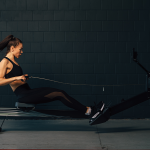

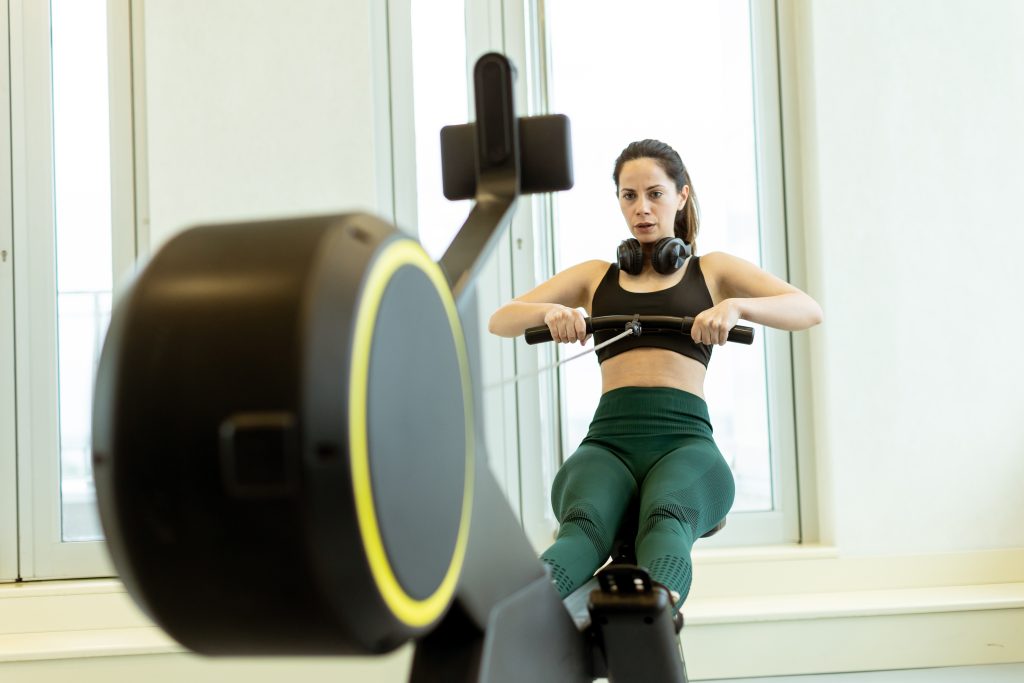
A proper warm-up is far more than just a preparatory measure before training on the... rowing machine - It is a basic element, which directly both the injury prevention as well as the performance It is influenced. Rowing engages several large muscle groups simultaneously – including legs, torso, back, and arms – and does so with high demands on… Movement coordinationWithout a targeted Warm-up routine for the rowing machine The body remains in a state of relative stiffness: muscles are less elastic, joints have restricted movement. This increases the risk of acute injuries such as... Back tension or knee strain and can lead to long-term Tendon irritation or muscular imbalances .
Furthermore, a cold start limits the body's ability to generate power efficiently – each stroke becomes less effective, and the entire workout loses quality. A structured warm-up prepares the body to... more fluid, powerful and controlled to move – a basis for high-performance and injury-free Training sessions on the rowing machine.
Understanding the biomechanics of rowing
To design an effective warm-up program, understanding the rowing movement Crucial. A single rowing stroke consists of four clearly defined phases – each with specific demands on muscles and joints:
Catch phase (preparation):
The starting position – knees bent, arms extended, seat close to the footplate. Here, the focus is primarily on... Hamstrings and lower back occupied while the body prepares for the impression.
Drive phase:
This is the phase in which the main force is generated – the legs straighten, Gluteal muscles and hull They work explosively, and the arms pull the handle towards the upper body.
Finish phase (final position):
The legs are fully extended, the handle is at the stomach, and upper back and Poor maintain the tension.
Recovery phase (return):
The body returns to the starting position in a controlled manner – during which time… Coordination and relaxation crucial in order to efficiently prepare the next attack.
Each phase requires different muscles. Therefore, a comprehensive warm-up program for the rowing machine to cover all these areas muscular activation, joint mobility and movement efficiency sure.
Dynamic mobility exercises: Preparing the joints
dynamic mobility exercises These exercises form the foundation of an effective warm-up, as they target precisely those joints that are heavily stressed during rowing. The goal is to... To improve movement quality, to lubricate joints (by stimulating synovial fluid) and to increase mobility – not maximum intensity.
Hip circles:
Standing or on one knee, move your hips in large, controlled circles. This exercise releases tension in the hip flexors and gluteal muscles.
Knee hugs with foot mobilization:
While standing, pull one knee towards your chest (activating the hip and buttocks) while alternately extending and flexing the other foot to improve ankle mobility – crucial for the catch phase.
Shoulder openings with tape or towel:
Slowly move a light resistance band or towel over your head and behind your back. This exercise improves shoulder girdle mobility and reduces tension in the neck and upper back.
These mobility exercises ensure that Joints free and fluid being able to work – the basis for smooth, injury-free rowing strokes.
Muscle activation: "Awakening" the power centers
Besides mobility, the Activation of the main muscles crucial. It "awakens" those muscles that contribute most to rowing – especially Gluteal muscles, torso, hamstrings and upper backMany people start their workout with inactive or "sleeping" muscles, which overloads weaker areas – such as the lower back.
Glute Bridges (pelvic lifts):
Lie on your back with your knees bent and feet flat. Lift your pelvis by actively contracting your glutes. Hold briefly, then lower. This activates the entire posterior chain.
Plank with shoulder taps:
In a plank position, alternately touch the opposite shoulder with one hand. This exercise activates trunk, shoulder stabilizers and upper back simultaneously.
Standing leg curls (hamstring curls):
Standing on one leg, bend the other knee so that the heel is drawn towards the buttocks. Slowly and with control to specifically activate the knee and hamstrings.
These exercises ensure that the main muscles active, stable and ready for action are – which reduces incorrect loading and improves power transmission per stroke.
Light cardio: Getting the body up to operating temperature
An often overlooked but crucial part of warming up is low-intensity endurance trainingIt raises body temperature, increases blood flow and prepares the heart and muscles for exertion – without causing fatigue.
5–10 minutes of light rowing Using the device itself at low intensity is ideal. It increases the heart rate and relaxes the muscles.
Alternatives: High knee raise while standing or Arm circles (large, slow, controlled) to activate hip flexors, shoulders and upper back.
This section ensures that the body optimally prepared for the main load is and reduces the likelihood of premature fatigue or faulty technique.
The correct sequence: Structured process for maximum effect
An effective one Warm-up routine for the rowing machine follows a clear, logical sequence:
3–5 minutes of light cardio – e.g. walking, marching or gentle rowing.
5–7 minutes of dynamic mobility – Focus on hips, knees, ankles and shoulders.
3–5 minutes of muscle activation – targeted exercises for gluteal muscles, torso, hamstrings and upper back.
1–2 minutes of light rowing with very low resistance – Connect all elements, establish control and rhythm.
This order ensures that Muscles warm, joints flexible, and nerve pathways activated are – the perfect basis for efficient, safe training.
Why skipping the warm-up is risky
Those who neglect warming up put themselves at risk. Performance as well as safetyCold muscles are less elastic – increasing the risk of strains and muscle tears. Immobile joints lead to... increased friction and stress – especially in the knees and lower back. Furthermore, without adequate preparation, the neuromuscular coordination impaired, leading to faulty technique (e.g., premature arm use or incorrect sequencing).
The consequence: Back pain, tendon irritation, loss of strength – common symptoms of inadequate preparation.
However, a targeted warm-up is a Investing in long-term successIt protects against injuries, improves power transmission, keeps the technique stable and accelerates regeneration.
A structured warm-up before rowing is not an option, but a necessary basis for safe, effective and performance-oriented training.