Free shipping in DE
  30 day returns
  Secure payment
  2 years warranty






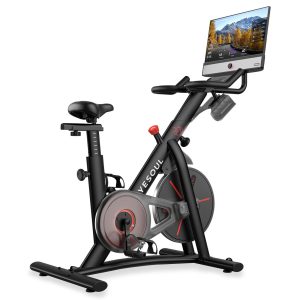
The Indoor fitness bike The Challenging Ride Challenge is more than just a workout—it's a profound experience that pushes athletes to redefine their physical and mental limits. This high-intensity cycling event combines cardiovascular endurance with explosive power development, creating a unique environment where participants must constantly adapt to increasing demands. Whether you're a serious cyclist seeking new challenges or a fitness enthusiast looking to overcome a performance plateau, this event offers you an extraordinary path to peak fitness. The true essence of the Challenging Ride Challenge indoor fitness bike lies in its ability to transform ordinary workouts into extraordinary feats of human strength.
Understanding the Indoor Fitness Bike Challenging Ride Challenge
Unlike traditional indoor cycling sessions, the Indoor Fitness Bike Challenge Ride is carefully designed to simulate the intensity of a professional race, yet remains accessible to participants of varying fitness levels. Its structure incorporates several key factors that distinguish it from traditional workouts:
1. High-intensity interval structure
The challenge is based on scientifically proven interval principles and alternates between:
Maximum sprint phases of 20–30 seconds with highest power output
Controlled recovery phases of 1–2 minutes for partial restoration of the energy systems
Progressive difficulty increase that increases resistance and intensity over the course of the session
2. Simulation-based resistance technology
Modern indoor fitness bike Challenging Ride Challenge platforms utilize advanced resistance mechanisms that:
Simulate real driving conditions such as climbs, descents and technical passages
Enable precise load adjustments based on user input and physiological feedback
Create dynamic challenges that require constant tactical adaptation
3. Time-based performance indicators
Participants are evaluated not only on the distance travelled, but also by:
Constant power output across intervals
Efficiency of recovery phases
Technical implementation of different riding positions (sitting vs. standing)
This holistic approach ensures that each participant experiences an intensive but achievable workout – tailored to their current fitness level.
Preparing for the Indoor Fitness Bike Challenging Ride Challenge
Success in this demanding event requires careful preparation on several levels:
1. Building a solid fitness base
A strong cardiovascular system is essential to sustain the intensity. Recommended measures:
Weekly endurance sessions (45–60 minutes at moderate intensity)
Strength training, especially for quadriceps, hamstrings, glutes and core muscles
Flexibility training to maintain optimal freedom of movement and prevent injuries
2. Technical perfection
The right technique increases efficiency and reduces the risk of injury:
Sitting position: Slight forward tilt, even weight distribution between saddle and handlebars
Standing technique: Activation of the core muscles, keeping knees in line with the toes
Pedal technique: Smooth, round movement with full leg extension
3. Mental preparation
The psychological demands are just as important as the physical ones:
Visualization techniques: Regularly imagine yourself successfully completing difficult intervals
Breath control: Practice diaphragmatic breathing for more control at high intensity
Positive self-talk: Develop affirmations to combat negative thoughts during stressful periods
The science behind the Indoor fitness bike Challenging Ride Challenge
The effectiveness of this event is based on sports physiological findings:
Cardiovascular adaptations
Increased stroke volume: The heart becomes more efficient
Better oxygen utilization: density of capillaries in the stressed muscles increases
Increased VO₂max: Higher aerobic performance
Muscular development
Recruitment of type II muscle fibers: For more explosive power
Improved neuromuscular coordination
Higher lactate threshold: Delayed fatigue at high intensity
Metabolic benefits
Increased basal metabolic rate (EPOC effect): Longer calorie consumption after training
Improved insulin sensitivity
Optimized fat burning
These adaptations make the event one of the most effective ways to make rapid progress in fitness.
Strategies to maximize performance
If you want to successfully complete the challenge, you should take a targeted approach:
1. Resistance management
Start with moderate resistance to consolidate technique
Increase resistance according to progress
Use resistance changes specifically for different muscle groups
2. Strategic pace
Start conservatively
Increase intensity only if the technique remains stable
Save peak performance for crucial intervals
3. Fluids & Nutrition
2 hours before starting: Drink 500–600 ml of water
During training: Use electrolytes
30 minutes before: Light carbohydrate snack for energy supply
4. Breathing technique
Practice diaphragmatic breathing
Maintain a steady breathing rhythm
Controlled exhalation during exercise
Overcoming mental barriers
The psychological challenge is often greater than the physical one:
1. Reinterpret discomfort
Discipline instead of evasion – discomfort = growth
Internalize the temporary nature of the effort
Know that professionals also feel similarly
2. Objective
Divide complex sections into smaller units
Set process goals (e.g. maintain technology)
Actively celebrate small successes
3. Visualization
Regularly play through success scenarios
Mentally rehearse difficult situations
Build positive self-images
4. attentiveness
Presence in the moment during each interval
Actively control pain perception
Building resilience through meditation
Long-term benefits
The positive effects go far beyond the event:
1. Cardiovascular health
More efficient cardiovascular system
Better blood circulation and oxygen supply
Increased stress resistance
2. Muscle strength and endurance
More power in the lower body
More endurance in everyday life
Improved posture and stability
3. Metabolic improvements
Better blood sugar regulation
More fat burning during exercise
Higher insulin sensitivity
4. Mental resilience
Greater psychological resilience
Sharper focus
More self-confidence through experiences of success
Integration into your training program
How to get the most out of the challenge:
1. Principle of progressive loading
Increase difficulty step by step
More intervals with better fitness
Try different resistance profiles
2. Periodization
Integrate events into high-intensity training phases
Plan sufficient recovery periods
Formats vary regularly
3. Performance monitoring
Analyze key metrics with wearables
Log progress
Adjust training based on the data
4. Combination with cross-training
Supplement with strength training
Maintain flexibility
Integrate active relaxation
Beyond yourself
The true value of the Indoor Fitness Bike Challenging Ride Challenge lies in its transformative power. Those who deliberately push themselves beyond their limits will achieve:
1. Physical transformation
Muscle growth, fat loss
Higher efficiency of the cardiovascular system
Better overall athletic appearance
2. Mental Strength
More resilience in stressful situations
Better concentration
Stronger self-confidence
3. Personal growth
Expanding the comfort zone
More self-awareness
Deeper understanding of one's own physical abilities
This holistic change makes the Indoor fitness bike Challenging Ride Challenge is more than just a workout – it’s a life-changing journey that goes far beyond the bike.