Free shipping in DE
  30 day returns
  Secure payment
  2 years warranty
Flywheel exercise bike – recommended options and effectiveness
Exercise bikes are a great way to stay fit in the comfort of your own home. The flywheel is an important factor when choosing an exercise bike, as it significantly affects how the machine works. In this blog post, we will take a closer look at the flywheel of exercise bikes, introduce recommended models, and discuss their effectiveness.
What is the flywheel of an exercise bike?
The flywheel mass of an exercise bike refers to the weight of the flywheel. A heavier flywheel creates more resistance and provides a smoother ride. It plays a crucial role in the effectiveness of the training and comfort during the workout.
Recommended exercise bikes with flywheel
Here are some recommended exercise bikes with a balanced flywheel mass that offer an effective training experience:
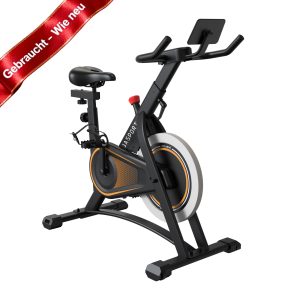
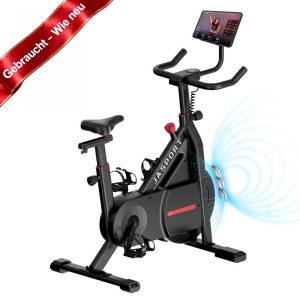
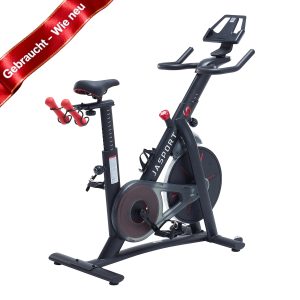
- Model A: This exercise bike has a 10 kg flywheel and offers a smooth ride. Ideal for beginners and advanced users.
- Model B: With a 15 kg flywheel, this exercise bike is particularly suitable for intensive training.
- Model C: A 12 kg flywheel makes this exercise bike a good choice for general fitness goals.
The Effect of the Flywheel
The flywheel mass has a direct impact on the effectiveness of the training. A heavier flywheel requires more effort, which leads to a more intensive training. It also ensures a smooth movement and prevents jerky pedaling.
Training benefits of an exercise bike with adequate flywheel mass
An exercise bike with an optimal flywheel mass offers numerous training benefits, including:
- Better burning of calories and fat
- Strengthening the leg and buttock muscles
- Improvement of stamina and condition
- Reducing stress and anxiety
Conclusion
The flywheel of an exercise bike is an important aspect to consider when choosing a fitness machine. The right flywheel can make your workout more effective and help you achieve better results. The recommended models offer an excellent balance between flywheel and power to ensure an optimal workout experience.