Free shipping in DE
  30 day returns
  Secure payment
  2 years warranty
Rowing machine and its effects on different muscle groups
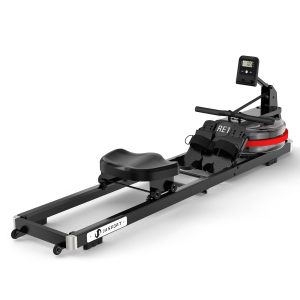
The rowing machine is an extremely effective piece of fitness equipment chosen by many people for their workouts. Not only does it provide an excellent cardiovascular workout, but it also helps strengthen multiple muscle groups simultaneously. In this article, we'll explore the different muscle groups activated by rowing and how you can get the most out of your workout.
The muscles used when rowing
When you train on a rowing machine, you not only pull the rowing line, but you also activate a variety of muscle groups in your body. Here are the main muscles used when rowing:
1. Back muscles
The back muscles are one of the main muscle groups trained during rowing. These include, in particular, the latissimus dorsi, the trapezius muscles, and the rhomboids. These muscles are crucial for good posture and stability. Strong back training can also reduce the risk of injury and back pain.
2. Legs and buttocks
When rowing, a significant amount of energy is also generated from the leg muscles and glutes. The quadriceps, hamstrings, and glutes are the main muscle groups engaged when pushing the legs on the exercise machine. These muscles work closely together to ensure efficient power development and stability during rowing.
3. Shoulders and arms
The shoulders and arms also play an important role in rowing. The biceps, triceps, and shoulder muscles (deltoids) are particularly intensively engaged. This occurs as you pull the rowing handles close to your body, extending and flexing your arms. This not only improves arm strength but also ensures better neuromuscular coordination.
The benefits of rowing training
Rowing training offers numerous benefits for fitness enthusiasts. The most important ones are:
- full body workout: Since many muscle groups are activated simultaneously, it is an ideal full-body workout.
- Cardiovascular Fitness: Rowing strengthens the cardiovascular system, improves endurance and burns calories at the same time.
- Gentle on the joints: Compared to running or other high-intensity activities, rowing is less stressful on the joints, making it an excellent option for people with joint problems.
- Improved posture: Training the back muscles also improves posture.
How to make rowing training effective
Effective rowing training requires the right technique and strategy. Here are some tips to help you get the most out of your workout:
1. Warm-up
Always start your workout with a short warm-up to prepare your muscles for the upcoming exercise. This can be done with light rowing or dynamic stretching.
2. The right technique
Make sure you use the correct rowing technique. The movements should be fluid and controlled—pull the handles toward your chest and push with your legs simultaneously. Make sure to keep your back straight to avoid injury.
3. Variation of intensity
For optimal results, vary the intensity of your workouts. Incorporate interval training to improve both strength and endurance. For example, you could row for one minute at maximum effort, followed by three minutes at a moderate pace.
4. Regeneration
Don't forget to give your body enough time to recover. Adequate rest and recovery time is crucial for making progress and preventing injury.
Rowing vs. other forms of training
While there are a variety of training equipment and methods, rowing holds a unique position. Compared to running or strength training, rowing offers lower impact on the joints while providing an intense workout for the entire body. It also allows for simultaneous training of aerobic and anaerobic fitness.
New technologies in rowing training
The fitness industry is constantly evolving, and innovative technologies are also emerging in the field of rowing training. Many rowing machines today are equipped with interactive screens that allow you to row in a virtual environment or participate in competitions. Such technologies can significantly enrich and motivate your workout.
Conclusion
The rowing machine is a fantastic piece of fitness equipment that activates multiple muscle groups simultaneously and promotes both strength and endurance training. By using the correct technique and varying the intensity, you can ensure your workout remains effective and injury-free. Whether you're a beginner or an experienced athlete, rowing training can significantly increase your fitness level and help you achieve your goals.