Free shipping in DE
  30 day returns
  Secure payment
  2 years warranty
Rowing machine for beginners: Tips for the perfect start
Rowing is one of the most effective and comprehensive sports, training both endurance and strength. A rowing machine is an excellent way to do this workout from the comfort of your own home. However, many questions can arise, especially as a beginner. In this article, we'll give you valuable tips on how to successfully get started with rowing on a rowing machine.
1. The correct setting of the rowing machine
Before you start rowing, it's important to set up your rowing machine correctly. Make sure the seat is adjusted to your height. The distance between the seat and the footrests should be sufficient so that you can safely stand with your feet on the footrests when your legs are fully extended. Recruit the right muscle groups for rowing by keeping your back straight and your shoulders relaxed.
2. Correct rowing technique
Technique is crucial if you want to row effectively and injury-free. Pay attention to the four phases of rowing:
- Wrestling: In this phase, your legs are bent, and you grasp the handle with both hands. Your upper body is slightly tilted forward.
- Drive: Push off with your legs while simultaneously pulling the handle toward your chest. Keep your back straight.
- finish: The handle should be pulled to the chest and the legs should be fully extended.
- Recovery: In this phase, let the handle slide forward and your upper body moves slightly forward.
3. Plan the right training
The key to progress is a structured training plan. As a beginner, you should start with short sessions, about 15 to 20 minutes per session, and gradually increase them. Initially, you can train 2 to 3 times per week and then gradually increase the frequency and intensity. A good plan might look something like this:
- Week 1-2: 15 minutes of rowing, 3 times a week
- Week 3-4: 20 minutes of rowing, 4 times a week
- Week 5-6: 30 minutes of rowing, 5 times a week
4. Choosing the right rowing machines
There are different types of rowing machines that differ in how they work. The most common types are:
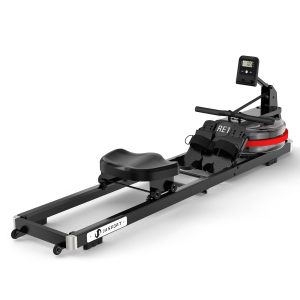
- Water rowing machines: These devices simulate rowing on the water and offer a very realistic feeling.
- Air rowing machines: They offer consistent resistance that adjusts depending on the rowing speed.
- Magnetic rowing machines: These devices offer quiet operation and the ability to manually adjust the resistance.
Choose the rowing machine that best suits your needs and budget.
5. Nutrition tips for rowing beginners
Proper nutrition is a crucial factor for your progress in rowing. Make sure you include enough protein, carbohydrates, and healthy fats in your diet. It's recommended to eat a small meal before training to provide enough energy for your workout, and after training, make sure you have a protein-rich meal for optimal muscle recovery.
6. Motivation and goal setting
To stay committed to rowing in the long term, you should set realistic goals. Whether it's rowing a certain distance or reaching a certain time, setting goals will help you stay motivated. Keep a training journal to document your progress.
7. Injury prevention
As with any sport, injuries should be avoided when rowing. Always pay attention to correct technique and listen to your body. If you experience pain, it's advisable to take a break and consult a doctor if necessary. Stretching exercises after training can help prevent muscle tension.
8. Rowing community and online resources
Another great way to stay motivated and learn new things is to become part of a rowing community. Online forums, social media groups, or local rowing clubs offer a platform for sharing experiences, tips, and training plans. Use these resources to expand your knowledge and connect with like-minded people.
With these tips, you'll be well-equipped to begin your rowing journey. Rowing is a fantastic way to improve fitness while having fun. So start today and enjoy the many benefits it offers!