Free shipping in DE
  30 day returns
  Secure payment
  2 years warranty
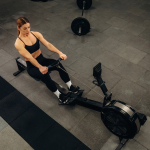
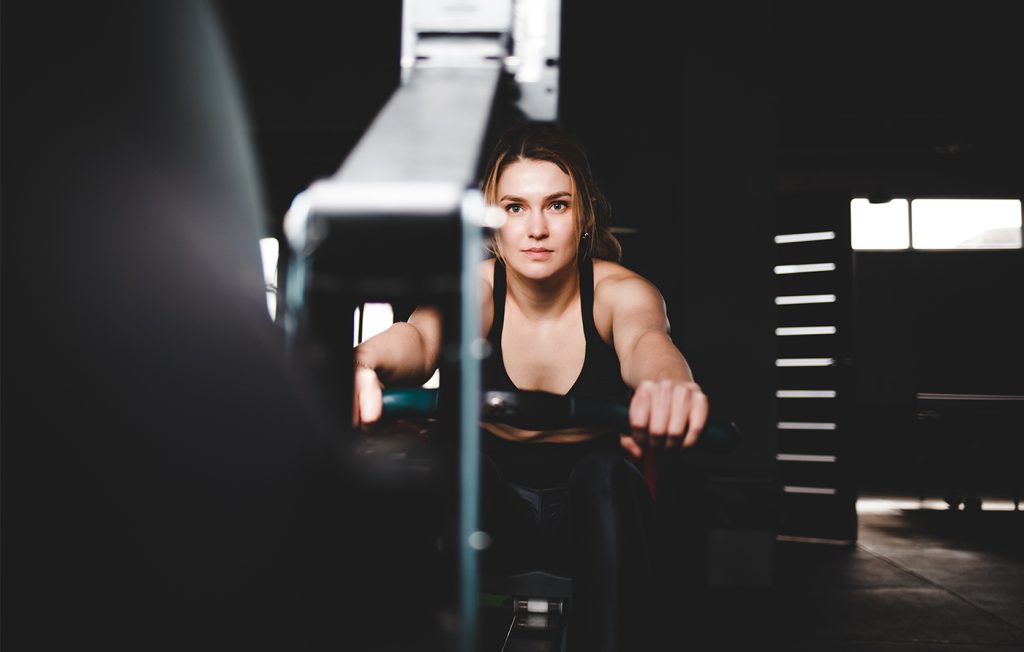
In today's hectic lifestyle, people are increasingly concerned about their health and fitness. However, due to the hectic work and personal lives, many find it difficult to find time to work out at the gym. Therefore, finding a practical, efficient, and household-friendly fitness machine is a necessity for many people. Among the various home fitness equipment, the rowing machine is gaining increasing importance and popularity. Not only can it provide a full-body workout, but it also offers many other benefits, providing a complete solution for home fitness training.
Introduction to the rowing machine
Basic structure and functionality of the rowing machine
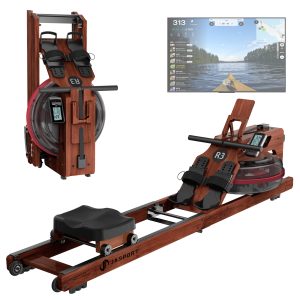
The rowing machine It mainly consists of a seat, a rail, a handle, a rowing blade, a flywheel, a brake device, and a control system. The seat serves to support the user's body, and the rail ensures that the seat can slide smoothly within a certain range. The handle is the part the user holds. Pulling the handle with the strength of the arms and shoulders causes the rowing blade to rotate, simulating the rowing motion. The flywheel is one of the core components of the rowing machine. It rotates under the driving force of the rowing blade and generates a certain resistance to simulate the water resistance during rowing. The brake device is used to control the rotation speed and resistance of the flywheel to meet the needs of different users. The control system can automatically adjust the resistance and record exercise data based on the user's settings.
The operation of the rowing machine is based on the principles of mechanics in physics. When the user pulls the handle, the force is transferred to the oar blade via the linkage mechanism, causing the oar blade to rotate around its axis. As the oar blade rotates, it experiences the resistance of the flywheel. This resistance interacts with the force applied by the user to create a counterforce that causes the seat to move backward along the rail. At the same time, the muscles of the legs, hips, and back work together to provide additional power. After pulling the handle to a certain position, the user uses the strength of the legs and hips to push the seat forward and return to the starting position, completing a full rowing motion.
The role of the rowing machine in home fitness
Compared to other common home fitness equipment, the rowing machine has unique advantages. For example, a stationary bike primarily trains the muscles of the lower limbs, while dumbbells and other machines target the upper body and core muscles. In contrast, the rowing machine is a full-body fitness machine that can simultaneously train multiple muscle groups in the body, such as the leg, hip, back, arm, and core muscles, providing a comprehensive workout for the entire body.
Additionally, the rowing machine has a relatively small footprint and is suitable for a variety of home environments. Compared to some large fitness machines like treadmills and ellipticals, the rowing machine can be easily stored when not in use and takes up minimal space. Furthermore, operating the rowing machine is relatively simple and does not require much expertise or technical skill. Both young and old can easily get started.
The physical health benefits of the rowing machine
Improving cardiovascular function
During training on the rowing machine The body's cardiopulmonary system is fully trained. When the user pulls the handlebar, they must breathe rapidly to provide enough oxygen for muscle movement. This leads to an increased heart rate and respiratory rate, which increases the strain on the cardiopulmonary system. Regular use of the rowing machine can significantly improve cardiovascular function.
According to relevant studies, people who regularly use the rowing machine experience improved heart contractility and pumping function. Stroke volume increases, meaning the heart can pump more blood with each beat. At the same time, the gas exchange capacity of the lungs improves, and lung volume increases, leading to greater respiratory efficiency. These changes can reduce the risk of cardiovascular diseases such as coronary heart disease and hypertension, and increase the body's endurance and metabolism, making people more energetic in everyday life.
Increasing muscle strength
Rowing machine training engages several major muscle groups in the body. When pulling the handle, the quadriceps, hamstrings, and calf muscles work together to provide the primary power. The gluteal muscles (large and medius) are also involved in the movement, helping to stabilize the body and push the seat back. The trapezius muscles, latissimus dorsi, and back extensors are responsible for stabilizing posture and pulling the rowing blade. The biceps, triceps, and forearm muscles are also engaged when holding and pulling the handle. In addition, the core muscles, including the abdominals and back muscles, remain engaged throughout the movement to maintain balance and stability.
Through long-term use of the rowing machine, these muscle groups receive sufficient stimulation and development, significantly improving both muscle strength and endurance. This not only helps prevent muscle atrophy and osteoporosis but also improves body shape and posture, making people appear healthier and more confident.
Protection and rehabilitation of the joints
Compared to some high-intensity exercises like running and jumping, rowing machine training has less impact on the joints. During rowing machine movement, body weight is primarily supported by the seat and rail, reducing stress on the joints. At the same time, rowing machine training is a low-impact, rhythmic movement that allows the joints to move smoothly within a certain range, avoiding sudden jolts and excessive rotation.
For people with joint problems or obesity, the rowing machine is a highly suitable exercise method. It can strengthen the muscles around the joints without placing additional strain on the joints, thus improving joint stability and flexibility. For example, for patients with knee problems, rowing can train the leg muscles, reduce pressure on the knee joint, and relieve pain and swelling. For overweight people, rowing can help burn excess calories, lose weight, and protect the joints from further damage.
Improve body flexibility
Training on a rowing machine requires coordination of different body parts, which promotes the development of body flexibility. While using the rowing machine, various body parts must be continuously stretched and contracted, which expands the range of motion of the joints. For example, when pulling the handle, the arms must be extended forward and the back must be arched backward, stretching the muscles of the shoulders, chest, and back. When pushing the seat forward, the legs must be straightened and the hips must be tensed, which stretches the muscles of the legs and hips.
With the long-term use of the rowing machine Improves body flexibility and joint range of motion. This not only helps prevent muscle strain and joint injuries but also improves athletic performance, allowing people to perform better in other sports.
The mental health benefits of the rowing machine
Reduction of stress and anxiety
In modern lifestyles, people are exposed to numerous stressors, such as work pressure, family responsibilities, and interpersonal relationships, which can easily lead to mental health problems. As an effective stress management method, rowing machine exercise can help people reduce stress and anxiety.
When exercising on a rowing machine, the body releases neurotransmitters such as endorphins and dopamine. Endorphins are known as the "happy hormones" because they induce feelings of pleasure and relaxation, and relieve pain and stress. Dopamine is linked to reward and motivation mechanisms and can increase people's enthusiasm and motivation, making them feel satisfied and happy. Therefore, by exercising on a rowing machine, people can reduce stress and negative emotions in their bodies, improve their emotional state, and reduce stress and anxiety.
Increase self-confidence and self-discipline
While exercising on a rowing machine, people can set goals, gradually challenge themselves, and grow physically and mentally. As people achieve one fitness goal after another, they feel their abilities and progress, which builds their confidence.
At the same time, regular rowing machine training requires a certain degree of self-discipline and perseverance. Training at the right time every day, overcoming difficulties and fatigue, and constantly challenging one's own limits are all part of the process that builds self-discipline and perseverance. When people develop self-discipline during training, they will also be calmer and more determined in other areas of life.
improvement in sleep quality
Sleep problems are closely related to mental health, and poor sleep quality can affect people's mood, attention, and physical health. Exercising on a rowing machine can regulate the body's biological clock, promote recovery from physical fatigue, relax the body, and transition into deep sleep, thereby improving sleep quality.
When exercising on a rowing machine, the body's energy consumption increases, and the muscles create a feeling of fatigue. This feeling of fatigue sends a signal to the brain that the body needs rest and recovery. At the same time, exercise can also relieve tension and stress in the body, allowing people to relax physically and mentally. Therefore, after a period of rowing machine exercise, people's sleep quality will be significantly improved. They will fall asleep more easily and have deeper, more restful sleep.
The convenience and practicality of the rowing machine in the home fitness area
Time and space savings
For many people, working out at the gym presents many inconveniences, such as commuting, waiting in line, and high membership fees. A rowing machine at home allows people to exercise at any time, according to their own schedule and needs, without being constrained by time and space.
Whether it's early in the morning, before bedtime, or during weekend leisure time, people can easily use the rowing machine for their workout. Furthermore, the foldable design and compact structure of the rowing machine allows for easy storage when not in use without taking up too much space in the home. Some small rowing machines can even be placed directly in a corner or against a wall without disrupting normal family life.
Suitable for people of all ages and physical conditions
The rowing machine's adjustability makes it suitable for people of all ages and fitness levels. Whether you're a beginner or someone with a certain fitness base, you can adjust the resistance and training intensity to suit your physical condition and fitness goals.
Seniors can choose a lower resistance and a slower training speed to maintain their health and flexibility. For children and adolescents, this helps rowing machineto strengthen their bodies and encourage interest in exercise. People with chronic illnesses or physical conditions, such as heart disease, high blood pressure, and diabetes, can also perform moderate rowing exercise under professional supervision to promote physical rehabilitation.
Enriching family fitness activities
As a versatile fitness tool, the rowing machine can be used jointly by family members, enhancing family interaction and fun. Family members can hold rowing races to see who has the fastest and most endurance; they can also play parent-child rowing games to strengthen the parent-child bond.
Additionally, the family can create a family fitness plan together and participate in rowing sessions to foster a healthy lifestyle and family culture. This family fitness atmosphere can not only improve the physical fitness of family members but also strengthen family cohesion and happiness.
Correct usage methods and precautions for rowing machines
Correct posture and movement technique
Proper posture and movement technique are crucial when using the rowing machine. First, adjust the seat height and position so that your feet are firmly planted on the floor and your knees are level with your hips. Next, adjust the handlebar position so it's shoulder-width apart, and hold the handlebar so that your fingers are naturally bent without exerting excessive force.
When pulling the handle, the effort of the legs, hips, and back should be coordinated. First, the strength of the legs is used to push off the ground and move the seat backward. At the same time, the buttocks are contracted to ensure body stability. Then, the back muscles are used to pull the handle back and bring the oar blade closer to the body, keeping the arms straight but not overextended. Finally, the arms and shoulders are used to pull the handle up to the chest, while the body is leaned back slightly for balance.
Appropriate training intensity and scheduling
Appropriate training intensity and scheduling are crucial factors for maximizing training effects and preventing injuries. For beginners, it is recommended to start with low resistance and shorter training times and gradually increase the intensity and duration of training.
Generally, most people can row 3-5 times per week. The duration of each workout can be adjusted depending on individual health and fitness goals. If the goal is weight loss and improving cardiovascular function, training can be limited to 30 to 60 minutes per session. If the goal is to increase muscle strength and endurance, the training time can be extended to 60 to 90 minutes.
During training, it's important to ensure adequate rest and adjustments. The entire training process can be divided into several phases, with 1-2 minutes of rest between phases to avoid overexertion.
Warm-up and stretching before and after training
Warming up and stretching are essential steps when training on a rowing machine. Warming up prepares the body's muscles, joints, and ligaments, improves flexibility and coordination, and prevents injuries.
Before training on the rowing machine, you can perform some simple warm-up exercises, such as light jogging, jumping rope, and dynamic stretching, for about 5-10 minutes. The focus of the warm-up exercises should be on activating the joints and muscles of the lower extremities, such as the knee joints, hip joints, and thigh and calf muscles.
Stretching after a workout helps relax muscles, relieve muscle fatigue and soreness, and reduce the risk of muscle strains and injuries. After rowing, you can perform some static stretches, such as leg, hip, and back stretches. Each stretch should be held for 15-30 seconds, with a total stretching time of approximately 10-15 minutes.
appeal
As a highly effective home fitness tool, the rowing machine offers numerous health and lifestyle benefits. It allows family members to exercise and improve their physical fitness in the comfort of their own home, while also promoting family interaction and strengthening emotional bonds, creating a positive and healthy family atmosphere.
We appeal to our readers to rowing machine to actively integrate exercise into their family life. Whether you're a busy professional looking to stay fit in a limited amount of time, or you're concerned about your family's health and want to strengthen family relationships through shared exercise, or whether you belong to one of the many age groups, including the elderly, children, and those with chronic illnesses, the rowing machine offers you a suitable fitness solution.
Let's choose the rowing machine together, start a family fitness journey, and enjoy a healthy and happy life. Let the rowing machine become an indispensable part of our family life, providing continuous energy for our physical and mental health.