Free shipping in DE
  30 day returns
  Secure payment
  2 years warranty
How to train a rowing machine correctly: Tips for the perfect workout
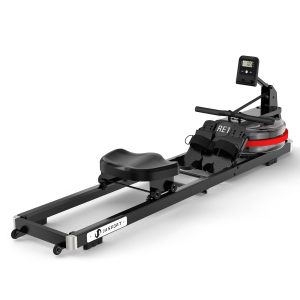
The rowing machine is one of the most versatile pieces of fitness equipment, training both endurance and strength. However, many fitness enthusiasts often don't know how to get the most out of their workout. In this blog post, we'll give you valuable tips on how to use your rowing machine correctly and optimize your workout.
The right warm-up
Before you start rowing, it's important to warm up properly. A good warm-up prepares your muscles and joints for the upcoming exertion. Start with 5 to 10 minutes of gentle warm-up, such as cycling or jumping rope. This increases circulation and helps prevent injuries.
The correct rowing technique
Technique plays a crucial role in rowing. Follow the step-by-step instructions below to learn the correct technique:
- Starting position: Sit on the rowing machine, place your feet firmly in the footrest, and hold the handlebars with both hands. Your back should be straight and your legs slightly bent.
- The train: Start the pull with your legs—push off from your feet as you lean your torso backward, keeping your arms straight.
- Pull backwards: Pull the handle toward your body as you lean further back. Make sure your elbows stay close to your body.
- The Return: Allow the handle to move forward in a controlled manner as you bend your torso forward and bend your legs again. Make sure the movement is fluid and smooth.
Practice this technique regularly to increase your rowing efficiency and power.
Training intensity and intervals
To make progress, it's important to vary the intensity of your workouts. Here are some approaches you can try:
- Slow, steady units: Ride at a moderate pace for 20 to 30 minutes to build endurance.
- Interval training: Alternate fast rowing strokes with slower periods. For example, 1 minute fast, followed by 2 minutes at a moderate pace.
- Speed increases: Increase your pace every 5 minutes so that you are rowing at a high intensity level by the end of your workout.
Regeneration and nutrition
Make sure you give your body enough time to recover, especially after intense training sessions. Adequate sleep and a balanced diet are crucial for recovery. Focus on:
- Protein: These are important for rebuilding muscle after training. Eat lean meat, fish, legumes, or nuts.
- Carbohydrates Help you refuel your energy. Whole grain products, fruits, and vegetables are ideal sources of carbohydrates.
- Hydration: Drink enough water to compensate for fluid loss during exercise.
Set goals and measure progress
Effective training requires clear goals. Set both short-term and long-term goals to stay motivated. Regularly document your progress. For example, measure how far you can row in 30 minutes or track your heart rate during your workout.
Training with a partner
Training with a partner can not only be motivating but also help you improve your technique. A training partner can help you identify mistakes and encourage you to work harder. Schedule regular rowing sessions with a friend or family member and share experiences.
Conclusion
The rowing machine offers an excellent way to increase your fitness and target different muscle groups. By using the right techniques, varying your intensity, and paying attention to your recovery, you can make significant progress. Whether you're a beginner or an advanced rower, the tips above will help you take your rowing to the next level.
Ready for your rowing workout?
Now that you know the basics and some other tips, get ready to hit the rowing machine! Remember, every workout is an opportunity to challenge yourself and get a little better every day. Happy rowing!