Free shipping in DE
  30 day returns
  Secure payment
  2 years warranty
The Ultimate Guide to Rowing Machine Rowing: Tips and Techniques
Rowing is an excellent way to increase endurance, build muscle strength, and enhance overall well-being. In recent years, the rowing machine has established itself as one of the best fitness trends. This article will teach you everything you need to know about rowing on a rowing machine—from proper technique and warm-up to specific training plans. Whether you're a beginner or an advanced rower, this guide will help you get the most out of your workout.
What is a rowing machine?
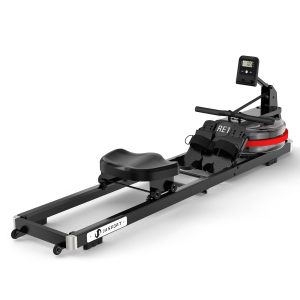
A rowing machine simulates the motion of rowing on water. It consists of a seat, a bar, a handlebar, and a resistance system. While rowing, you use your leg, back, and arm muscles, thus working your entire body. Rowing machines are ideal for people of all ages and fitness levels because they are both strength- and cardio-oriented.
Benefits of Rowing on a Rowing Machine
There are many benefits to rowing on a rowing machine:
- full body workout: Rowing uses up to 85% of your muscles.
- Gentle on the joints: Compared to other fitness activities, rowing is gentler on the joints.
- Calorie burning: Rowing can lead to high calorie burning, which helps with weight loss.
- Improved Endurance: Regular rowing strengthens the cardiovascular system.
- Stress Relief: Like many sports, rowing can help reduce stress and promote well-being.
The right technique
The key to effective training lies in proper technique. Here are the five essential steps for rowing correctly:
- Starting position: Sit on the rowing machine and place your feet in the foot straps. Your knees should be slightly bent and your arms should rest relaxed at your sides.
- The “Catch” position: Lean forward slightly while extending your arms. Your back should remain straight.
- The “Drive” part: Start with a powerful leg thrust. Your legs should work first, followed by your back and arm movements.
- The “finish” position: At the end of the pulling movement, your legs should be fully extended, the handle should be against your stomach and your upper body should be slightly leaning back.
- The return movement: Return to the starting position by first extending your arms, followed by your torso and finally your knees.
Warm up and stretch
As with any sport, warming up is essential to avoid injury. Start with five to ten minutes of light rowing, followed by stretching exercises for your legs, back, and shoulders. This prepares your muscles for the upcoming exertion and promotes circulation.
Training plans for different fitness levels
Beginner level
A solid beginner's plan includes 3-4 training sessions per week. Each session should last approximately 20-30 minutes and be performed at a moderate pace. The goal is to get used to the movement and perfect your technique.
Advanced
Advanced users can incorporate additional intensity and varied training. An example might be interval training, where you row intensely for 1 minute followed by easy rowing for 2 minutes. This could be a 30-45 minute session performed 2-3 times per week.
professionals
Advanced rowers should regularly test their limits. Continuous, high-intent training and cross-training (e.g., strength training or flexibility training) should be part of your routine. The goal is to achieve maximum performance in each training session.
Common mistakes and how to avoid them
Here are some common mistakes that many beginners make:
- The attitude: Keep your back straight and avoid leaning forward too much.
- Too much resistance: Many beginners choose too much resistance, which compromises their technique. Start lightly and gradually increase the resistance.
- Insufficient leg strain: Focus on fully extending your legs before pulling your arms.
Gear and accessories for rowing training
To get the most out of your rowing workout, you should consider the right equipment:
- Rowing machine: Invest in a high-quality rowing machine that suits your workout.
- Sportswear: Wear comfortable and breathable clothing that allows you freedom of movement.
- Sneakers or rowing shoes: You have better grip in special rowing shoes.
Tips for motivation and perseverance
Staying motivated can be difficult at times. Here are some tips to help:
- Set realistic goals and track your progress.
- Train in groups to motivate each other.
- Vary your training to avoid boredom.
By following the tips and techniques above, you can improve your rowing technique and increase your overall fitness. Rowing on a rowing machine is a great way to achieve fitness goals while contributing to your health and well-being.