Free shipping in DE
  30 day returns
  Secure payment
  2 years warranty
How often should you train with a rowing machine? Tips for your optimal workout
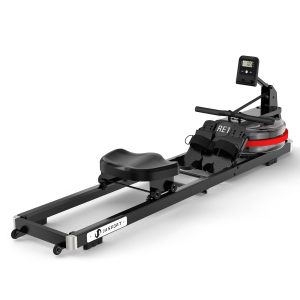
The rowing machine is one of the most effective fitness tools, combining both cardio and strength training. But how often should you train on it for optimal results? In this article, we'll explore different training intervals, proper technique, and additional tips for maximizing your rowing machine performance.
Why train with a rowing machine?
Training on a rowing machine is both gentle on the joints and highly effective. It trains over 80% of the muscles, including the legs, core, and arms. It also increases the heart rate and supports fat burning. Many people swear by the rowing machine, not only for weight loss but also for improving their overall fitness.
The optimal training frequency
The question "How often should I row?" depends on several factors, including your goals, current fitness level, and available time. Some general recommendations include:
- Beginners: If you're new to rowing, or even a fitness beginner, you should train at least 2-3 times per week. Start with shorter sessions of about 20-30 minutes and gradually increase the duration.
- Advanced: If you have regular fitness experience, you can schedule a session 3-5 times per week. Try to gradually increase the intensity and duration to make progress.
- Competitive athletes: For those looking to perfect their rowing technique and maximize their endurance, training can be up to 6 times per week. Careful planning of intensity and recovery phases is important.
The ideal training duration
The length of your rowing machine workout varies depending on your fitness level and goals. In general, the following time intervals are recommended:
- 20-30 minutes: Ideal for beginners and lower cardiovascular strain.
- 30-45 minutes: A good choice for those who want to increase their endurance.
- 45-60 minutes: Suitable for advanced and competitive athletes who want to test their limits.
Important aspects of rowing technique
Correct technique is crucial for effective rowing training. Here are some tips:
- The starting position: Sit on the rowing machine with your feet firmly in the foot straps. Keep your back straight and your hands on the rowing handles.
- The reverse move: Start by pushing your legs, followed by your upper body. Using the strength of your arms and the rotation of your shoulders, pull the oar toward your stomach.
- The Return: Release the rudder slowly and in a controlled manner. Make sure you maintain the same technique as when pulling.
Variations of rowing training
To increase your motivation and fitness, try different training variations:
- Interval training: Alternate between high and low intensities to achieve maximum fat burning.
- Strength training with the rowing machine: In addition to rowing, add bodyweight exercises such as push-ups or squats.
- Group training: Train in a group or with a training partner to increase your motivation.
Recovery and injury prevention
Recovery phases are essential for sustained performance improvement. Make sure you take sufficient rest between training sessions and avoid poor posture to prevent injuries. Stretching and muscle mobilization are also important preventative factors.
Complementary exercises and nutrition
To maximize the effects of your rowing workout, incorporate complementary exercises into your fitness program. Strength training on other equipment, yoga, or Pilates can also improve your rowing performance. A balanced diet rich in protein, healthy fats, and whole grains will support your training goals. Be sure to hydrate properly before and after your workout!
Conclusion
Rowing can significantly improve your fitness if you find the right cadence, pay attention to your form, and stick to a structured training schedule. Find the right balance between training, recovery, and healthy nutrition to get the most out of your workouts.