Free shipping in DE
  30 day returns
  Secure payment
  2 years warranty
How to optimally adjust the treadmill to lose weight successfully
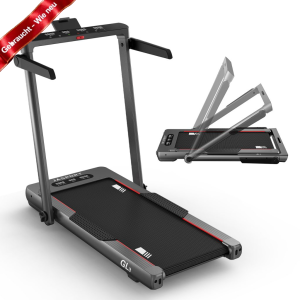
In an age of fitness apps, online coaching, and a multitude of training programs, the treadmill remains one of the most popular pieces of equipment for cardio training. Many people use it to lose weight and improve their fitness. But how do you set up the treadmill correctly for the best results? In this article, you'll learn everything you need to know about the settings and tips for effective treadmill training.
Choosing the right speed
Speed is crucial to the effectiveness of your treadmill workout. If you're looking to lose weight, it's important to choose a speed that allows you to exercise in an aerobic state. This means you should be able to carry on a conversation, but not break a sweat easily. A speed of 5 to 7 km/h is a good starting point for most beginners. As you get fitter, you can gradually increase the speed.
Use the incline
One of the best ways to increase the intensity of your workout without increasing your speed is to use the treadmill's incline. Running or walking on an incline simulates outdoor terrain and puts more strain on your leg muscles. Set the incline to at least 1% to increase resistance and burn calories more efficiently. Advanced exercisers can even increase the incline to 5–15% for an intense workout.
Interval training for fast results
An effective method for losing weight faster is interval training. This type of training involves alternating between high-intensity phases and recovery phases. For example, you could jog briskly for 1 minute, followed by a slow run or walk for 2 minutes. Interval training gets your heart rate up and increases calorie burn both during and after your workout. It's an excellent way to boost fat burning.
Finding the right time
No matter which training program you choose, the timing of your workout can also play a role. Studies have shown that exercising early in the morning boosts your metabolism throughout the day. However, it's important to choose a time that works for you and fits into your daily routine. This will ensure you can maintain your training plan long-term.
Technique and posture on the treadmill
Proper form is essential for your workout. Make sure your posture is upright on the treadmill. Your shoulders should be relaxed and your palms should not be resting on the handrails. This can help prevent injury and allow you to run more efficiently. Make sure you keep your eyes forward and not at the ground.
Duration and frequency of training
To lose weight, you should aim for at least 150 minutes of moderate aerobic activity per week, or 75 minutes of vigorous exercise, according to the World Health Organization. If you're using a treadmill, aim for at least 30 minutes per session. A frequency of 3 to 5 times per week is ideal for sustained progress. Also, make sure you include rest days to give your body time to recover.
Supplement the right diet
Keep in mind, exercise alone won't be enough to achieve your weight loss goal. It's important to adjust your diet for best results. Make sure you consume enough protein and fiber to boost your metabolism. A balanced diet rich in fruits, vegetables, and healthy fats will help support your exercise progress.
Track motivation and progress
The journey to weight loss can be challenging, so it's important to stay motivated. Set realistic goals and track your progress. Apps and fitness trackers can help you keep track of your workouts and calorie burn. Find a training partner or join a running community for more support and to keep your motivation high.
In summary, the right treadmill setting, combined with an effective workout plan and a balanced diet, is key to your weight loss success. Experiment with different settings, find what works best for you, and stay disciplined to achieve your goals.