Free shipping in DE
  30 day returns
  Secure payment
  2 years warranty
How a rowing machine can relieve pressure on the intervertebral disc: The best tips and exercises
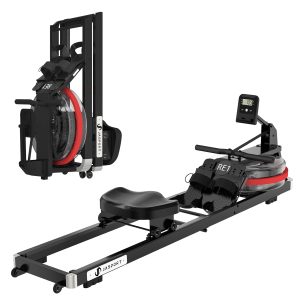
Rowing is not only an excellent form of exercise, but also offers numerous benefits for the health of intervertebral discs. Especially in a time when many people lead sedentary lives, it's important to find ways to prevent back pain and strengthen the spine. In this article, you'll learn how you can relieve pressure on your intervertebral discs by training with a rowing machine and which exercises are particularly effective.
Introduction to the problem of intervertebral discs
The intervertebral discs are elastic cushions between the individual vertebrae of the spine. They act as shock absorbers and allow a certain degree of spinal mobility. Incorrect loading, lack of exercise, or poor posture can cause disc damage, leading to severe pain and limitations. Training with a rowing machine can help develop healthy back muscles and thus reduce the risk of disc damage.
The benefits of rowing for the intervertebral discs
Rowing training offers a variety of benefits for the health of the intervertebral discs:
- Strengthening the back muscles: Strong back muscles stabilize the spine and relieve pressure on the intervertebral discs.
- Posture improvement: Rowing improves posture, leading to better spinal alignment.
- Regular exercise: The rowing machine promotes blood circulation and prevents tension.
- Low stress on the joints: Rowing is a sport that is gentle on the joints and minimizes the risk of injuries.
Tips for training with the rowing machine
To get the most out of your rowing machine and promote the health of your intervertebral discs, you should consider a few important points:
1. The right technique
Incorrect rowing technique can lead to injury. Make sure your movements are fluid and controlled. Start in an upright position and don't bend too far forward or backward. Your back should always remain straight.
2. Warm up
You should warm up thoroughly before every training session. The looser your muscles, the easier rowing will be. Stretching and light mobilization exercises are particularly useful here.
3. Regularity
To achieve noticeable results, you should train regularly. Two to three sessions per week are ideal. Vary your training volume and intensity to challenge your muscles in different ways.
4. Interval training
Interval training can be particularly effective for building both endurance and strength. Alternate between short, intense bursts of exercise and longer rest periods.
5. Listen to your body
Every body reacts differently to physical activity. Pay attention to your individual well-being and avoid overexertion. If you experience any pain or discomfort, take a break or consult a doctor.
Exercises with the rowing machine for the intervertebral discs
Here are some targeted exercises that you can incorporate into your rowing machine workout:
1. Standard rowing
This basic exercise is the perfect start to your workout. Sit on the rowing machine, grab the handles, and row evenly. Keep your back straight and actively engage your legs while rowing.
2. One-arm rowing
To strengthen your core muscles, you can do one-arm rowing. This also trains your oblique abdominal muscles, which stabilize your spine. Switch sides after a few minutes.
3. Overhead rowing
Sit upright and hold the handles above your head. Then row back to the starting position. This exercise engages all the muscles of your upper body and promotes stability.
4. Seated rowing
To focus on your abdominal and back muscles, try a seated rowing technique. Keep your legs on the floor and row smoothly backward.
Tips for integrating rowing into everyday life
To effectively integrate rowing into your daily routine, you should consider the following points:
- Place the rowing machine in a visible location: Having it in front of your eyes will make you more likely to remember to exercise regularly.
- Set training times: Set fixed times for your training to integrate it into your daily routine.
- Looking for training partners: A training partner can motivate you and make your training more varied.
Conclusion
The rowing machine is an excellent way to relieve pressure on your intervertebral discs while also increasing your fitness. With proper technique, regular training, and targeted exercises, you can not only strengthen your back muscles but also actively contribute to maintaining spinal health. However, before beginning any new exercise program, you should always consult a doctor or physiotherapist, especially if you already have any underlying health issues. This will ensure that your workout is not only effective but also safe.