Free shipping in DE
  30 day returns
  Secure payment
  2 years warranty
Which muscle groups are trained on the rowing machine?
The rowing machine is an extremely versatile piece of fitness equipment that not only offers an excellent way to improve endurance but also works multiple muscle groups simultaneously. For people who want to achieve their fitness goals, it's important to understand which muscles are actually used when using the rowing machine. In this article, you'll learn all about the different muscle groups activated when training on the rowing machine and get valuable tips for effective use.
The Rowing Machine: An Introduction
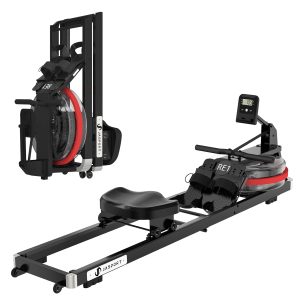
The rowing machine simulates the movements of rowing, providing both a powerful and cardiovascular workout. This combination makes it particularly effective for strengthening the body and improving endurance. When you exercise on a rowing machine, you work various muscle groups, making it a preferred choice for many fitness enthusiasts.
The main muscle groups used on the rowing machine
1. move
The back is one of the main muscle groups engaged during rowing. The latissimus dorsi, the large back muscle, is particularly engaged when performing the rowing strokes. This movement not only strengthens the back view but also improves posture.
2. Legs
The leg muscles are also heavily used on the rowing machine. Large muscle groups like the quadriceps and hamstrings work intensively, especially during the pull phase. Every time you press your feet against the footplate, you activate these muscles, which are crucial for stability and power during rowing.
3. Gluteal muscles
Many inexperienced athletes often overlook the importance of the glutes in rowing. The gluteus maximus is used throughout the entire movement, especially during the press when the hips come forward. A well-trained glute contributes to stability and power transfer, improving overall performance.
4. Shoulders and arms
The shoulders and arms play a crucial role in rowing. The biceps and shoulder muscles are engaged as you pull the oar toward you. These muscles develop through repetitive exercise, resulting in more pronounced arms and shoulders.
5. core muscles
The core, including the abdominal and back muscles, is crucial for maintaining proper posture while rowing. Strong core muscles prevent injury and promote the efficiency of the rowing movement. These muscles stabilize the body and enable effective power transfer from the legs to the arms.
Benefits of rowing training
Rowing is not only effective for building muscle but also offers numerous health benefits. Here are some of them:
- Cardiovascular Fitness: Regular training on the rowing machine strengthens the cardiovascular system and improves endurance.
- Calorie burning: Rowing is an intense exercise that helps you lose weight and maintain a healthy weight.
- Gentle on the joints: Compared to other strength training methods, rowing is gentle on the joints, making it suitable for many people.
- Flexibility: The movements on the rowing machine promote flexibility in the hips and shoulders.
Tips for effective use of the rowing machine
To get the most out of your rowing workout, consider the following tips:
- Warm up: Start with a 5- to 10-minute warm-up to get your muscles up to operating temperature.
- Correct technique: Maintain proper rowing form to avoid injury and maximize effectiveness.
- Combine strength and endurance: Incorporate intervals into your training to build both strength and endurance.
- Regularity: Train at least 2-3 times per week for best results.
Final thoughts on using the rowing machine
The rowing machine is a fantastic fitness tool that works a variety of muscle groups while improving overall fitness. Whether you're a beginner or an advanced rower, it's an effective way to achieve your fitness goals. By understanding the muscles involved in rowing and using proper technique, you can optimize your workout and achieve optimal results. Try it out and experience the benefits for yourself!