Free shipping in DE
  30 day returns
  Secure payment
  2 years warranty
What does a rowing machine train? The benefits and techniques for your workout
The rowing machine has become one of the most popular fitness machines in both gyms and home gyms in recent years. It offers a comprehensive workout that not only strengthens muscles but also improves endurance. In this article, we'll take a closer look at what exactly you train when using a rowing machine, its benefits, and the techniques you should keep in mind.
The muscle groups that are trained when rowing
Rowing is one of the most comprehensive full-body exercises you can do. During a rowing session, several muscle groups are used:
- back muscles: The back extensors and the latissimus dorsi are put under great strain by the pulling movement, which leads to better posture and a more pronounced back.
- Leg muscles: The leg muscles, especially the thighs and calves, are active during rowing. The flexion and extension of the legs during the rowing movement ensures strong muscles in these areas.
- core muscles: The core plays a crucial role in rowing. The abdominal and back muscles stabilize the body and ensure correct posture.
- arm muscles: The arms are active during the final phase of rowing, with the biceps, triceps and forearm muscles being specifically trained.
Benefits of rowing training
Training on a rowing machine has a variety of benefits:
- Cardiovascular health: Rowing strengthens your cardiovascular system, improves endurance, and can help reduce the risk of heart disease.
- Calorie burning: An intense rowing workout can burn a lot of calories, which is helpful for those who want to lose weight or tone their body.
- Gentle on the joints: Compared to other endurance sports, rowing is easier on the joints because the movement is fluid and without abrupt stops.
- Improving coordination: Rowing requires coordination and good synchronization between arms and legs, which improves motor skills.
- Stress Relief: Like most physical activities, rowing can help reduce stress and improve overall mood.
Techniques for effective rowing
To fully utilize the benefits of the rowing machine, it's important to master proper rowing technique. Here are the basic steps:
- The starting position: Sit on the rowing machine, place your feet securely in the foot straps, and hold the handlebar with a relaxed hand. Your back should be straight and your knees slightly bent.
- The pulling phase: Start with a powerful leg pull, straightening your back and pulling your arms back. Make sure your shoulders don't fall too far forward.
- The final position: In the final position, your upper body should be slightly tilted backward, your legs fully stretched, and your hands pulled towards your body.
- The return movement: Release your arms and lean your torso slightly forward as you bend your knees to return to the starting position.
Training tips and program design
To get the most out of your rowing workout, you should follow a few tips:
- Regularity: Aim to row at least three to four times a week. Vary the intensity and duration to see progress.
- Interval training: Incorporate interval training into your workouts to improve endurance and maximize calorie burn.
- Warm up and stretching: Warm up before and stretch after your workout. This helps prevent injuries and keeps your muscles supple.
- Hydration: Make sure you drink enough fluids, especially during intense training sessions.
Choosing the right rowing machine
Before you start rowing, it's important to choose the right rowing machine. There are several different types:
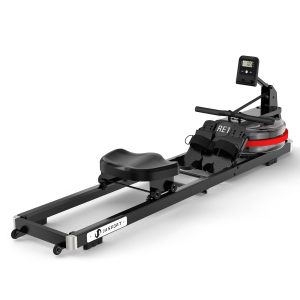
- Water rowing machines: These devices offer a realistic rowing experience and create resistance through water.
- Air rowing machines: These are very common and create resistance through air resistance. The faster you row, the greater the resistance.
- Magnetic rowing machines: These machines use magnets to create resistance and allow for quiet training.
The right nutrition for athletes
A balanced diet is also crucial for training success. Make sure you consume enough carbohydrates, proteins, and healthy fats to maintain your energy levels for training. Before and after training, it's important to consume snacks or meals that meet your muscle needs and promote recovery.
In conclusion, training on a rowing machine is an excellent way to improve your fitness. By combining strength and cardio training, you can build muscle and improve your endurance. Whether you're a beginner or an experienced athlete, the rowing machine can be customized to meet your needs. Experience the variety of rowing training and incorporate it into your fitness plan to achieve real results.