Free shipping in DE
  30 day returns
  Secure payment
  2 years warranty
Difference between speed bike and ergometer: A comprehensive analysis
The world of cycling is diverse and offers numerous options for fitness enthusiasts. Two of the most popular options, often found in gyms and home workout rooms, are the speed bike and the stationary bike. While both machines aim to improve endurance and strengthen muscles, they differ in several aspects. In this article, we'll take a closer look at these two fitness machines and highlight the key differences.
What is a speed bike?
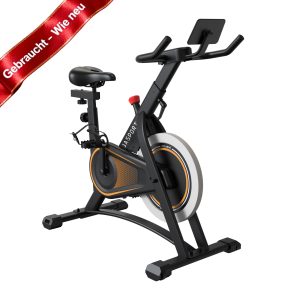
A speed bike is a type of bike often used for stationary training and designed for the demands of indoor cycling. These bikes are built for high intensity and speed, making them ideal for intense HIIT workouts. Speed and subtle changes in resistance allow for a realistic cycling experience. The design of speed bikes can often be adjusted to create an optimal riding position for each user.
What is an ergometer?
An ergometer, on the other hand, is a piece of fitness equipment specifically designed to measure the user's performance. Ergometers aren't just for cycling; they can also come in other forms, such as rowing machines or treadmills. They precisely measure the power generated during exercise in watts, making them particularly suitable for athletic training programs and rehabilitation. Ergometers often offer a variety of resistance levels and programs to customize your workout.
The main differences
The biggest difference between a speed bike and an ergometer lies in their function and the goals they serve. While speed bikes are primarily designed for intense cardio workouts, an ergometer is designed for precise performance measurement. This is especially useful for athletes who want to monitor their progress.
training objectives
Speed bikes are ideal for people who want to burn a lot of calories in a short amount of time. The intensity of the workouts can vary through different programs, and the classes are often designed to motivate users to achieve peak performance. Ergometers, on the other hand, are better suited for users working toward specific fitness goals, such as performance improvement, rehabilitation, or weight loss through precise training control.
Ease of use
Both devices are relatively easy to use. Speed bikes often offer a minimalist design and focus on the training effect. Ergometers, on the other hand, can have more complex control panels for controlling the various programs and metrics. This can seem daunting for beginners, but is a great advantage for trained users who require precise data.
Condition improvement vs. performance measurement
One of the main reasons fitness enthusiasts choose between these two machines is the goal of the workout. If your goal is to improve endurance and burn fat, a speed bike can be particularly effective. The intervals and workouts can be tailored to your fitness level while keeping you motivated.
Customer feedback and popularity
Based on reviews from gyms and online stores, both speed bikes and stationary bikes have a loyal following. Speed bikes are often the first choice for participants in group classes due to their energy and dynamism. Customers appreciate the variety of workouts and the ability to adapt them to every fitness level. Stationary bikes, on the other hand, are often preferred by individual athletes who want to track their performance and pursue improved training programs.
pricing
In terms of pricing, most speed bikes have a lower entry price than professional ergometers. The price of latent ergometers can vary depending on the technology and measurement technique. However, those willing to invest in high-quality equipment should weigh the advantages of both devices.
Conclusion of the analysis
The difference between a speed bike and an ergometer is not just a matter of technology, but also of individual goals and preferences. Choosing between these two fitness devices should therefore be carefully considered. Whether you want to increase your endurance or precisely measure your performance, both devices offer their own advantages and challenges. Ultimately, it depends on your specific fitness goals and which device better suits your lifestyle.