Free shipping in DE
  30 day returns
  Secure payment
  2 years warranty




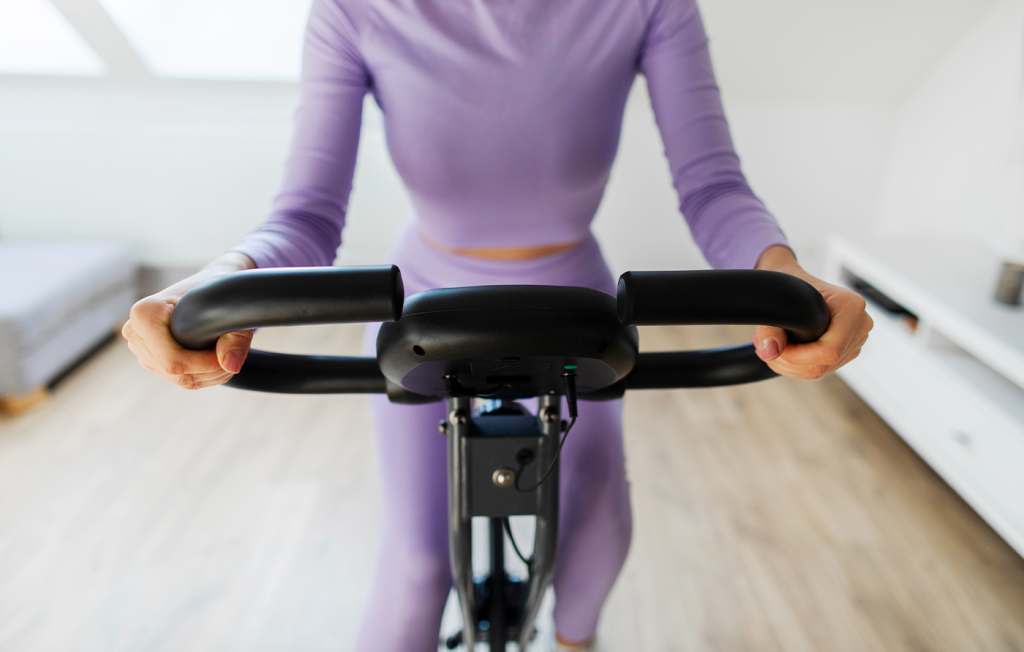
The first steps: Why intervals are important for speed bike novices
Getting on a speed bike for the first time can be both exciting and intimidating. Unlike cycling outdoors, where terrain and weather are unpredictable variables, indoor speed biking offers a controlled environment to focus entirely on movement, rhythm, and effort. For beginners, this low-impact activity is ideal because it provides immediate feedback—every pedal stroke results in noticeable changes in resistance and heart rate, making progress tangible. However, many newcomers quickly hit a frustrating plateau: steady-state rides, where you maintain a constant, moderate pace, often leave you breathless after just 15 minutes or bored with the repetition. Motivation dwindles, and the idea of sticking to a routine fades. This is where the Speedbike training program for beginners. At its core is interval training – a method that alternates short bursts of high effort with periods of active recovery. For novice cyclists, intervals solve two main problems: they break the monotony of steady riding, keeping training exciting, and they accelerate fitness gains by forcing the body to adapt to varying intensities. Over time, this approach builds cardiovascular endurance, strengthens leg muscles (quadriceps, hamstrings, glutes), and teaches the body to recover efficiently – all while boosting confidence. The goal of this program is not to push beginners to their limits overnight, but to equip them with structured, scalable strategies that make every ride meaningful and sustainable.
Building the foundation: Preparing new cyclists for interval training
Before diving into interval training, beginners need to establish a foundation of control and physical readiness. Intervals aren't about "starting fast, riding hard"; jumping into high-intensity efforts without preparation risks injury and hinders progress. The first step is mastering proper bike setup. Saddle height is crucial: when the pedal is at its lowest point, the knee should have a slight bend (around 10-15 degrees) to avoid hyperextension or overloading the joint. The handlebars should be positioned to allow the rider to maintain a neutral spine – shoulders relaxed, chest open, and no hunch that puts strain on the neck or wrists. Resistance, often adjusted via a dial or digital display, starts easy; beginners should learn to pedal smoothly before increasing the challenge. Next comes form. Many new riders overlook the fact that cycling is a full-body movement: engaging the core muscles stabilizes the upper body and prevents excessive wobbling; Your knees should remain in line with your toes (not tilting inwards or swinging outwards) to protect your joints; and pedaling in full circles—pushing down, pulling up, and through the rear stroke—ensures even muscle engagement. Finally, building aerobic base endurance is non-negotiable. Spend 2–3 weeks on steady, moderate rides: 30–45 minutes at a pace where you can hold a conversation (think: "Talking yes, singing no"). This phase trains your heart and lungs to carry oxygen efficiently and prepares your body for the demands of interval training. Without this foundation, your speed bike training program will become a series of disjointed efforts rather than a coherent path to growth.
Core interval framework: Simple, scalable tactics
The beauty of interval training for beginners lies in its adaptability. Complex protocols can be overwhelming, so this prioritizes... Speedbike training program Simple, repeatable framework. First, the work-rest ratio. Beginners benefit most from ratios that allow the body time to recover between efforts, such as 1:2 (30 seconds of high effort followed by 60 seconds of easy pedaling) or 1:1 (30 seconds of work, 30 seconds of rest). These ratios prevent overexertion; if a rider is gasping for breath after 20 seconds of work, shortening the work interval to 20 seconds will keep the session manageable. Intensity cues are more important than arbitrary numbers. High effort should feel like this: "Hard enough that you can only speak 1-2 words at a time" (rated 6-7 out of 10 on the subjective exertion scale). Recovery, on the other hand, is "easy enough to hold a conversation comfortably" (3-4 out of 10). Two basic formats anchor the program. Time-based intervals are ideal for learning pacing: A session could consist of 8 sets of 30 seconds of work + 60 seconds of rest, framed by 5-minute warm-up and cool-down periods. Intervals based on perceived exertion train body awareness: Riders push until their performance drops (legs burn, breathing becomes irregular), and then ease off until they have recovered. Both formats demystify intensity and make intervals feel less like a test and more like a skill to be practiced.
Weekly progression plan: Getting used to interval consistency
Consistency trumps intensity for beginners, which is why... Speedbike training program This is followed by a 4-week build-up phase. Weeks 1-2 focus on getting used to the training. Aim for 2 interval sessions per week, each lasting a total of 20-25 minutes. An example session: 5 minutes of easy pedaling to warm up, 5 sets of 20 seconds of high effort + 40 seconds of recovery, then 5 minutes of slow pedaling to cool down. The goal here is not speed, but precision – maintaining form, hitting the prescribed intensity, and finishing the workout feeling productive and not completely exhausted. In weeks 3-4, the body adapts, and the intensity can be increased. Sessions grow to 30-35 minutes, with 3 interval workouts per week. The work intervals lengthen to 30-45 seconds, and the sets increase to 8 (e.g., 8 x 30 seconds work + 60 seconds recovery). Resistance can be increased slightly to challenge the legs more, but never at the expense of form – if your knees start to hurt, reduce the resistance immediately. Listening to your body is paramount: muscle soreness is normal, but sharp pain signals the need for adjustment. This phased approach ensures the program feels manageable rather than overwhelming, building momentum that encourages riders to persevere.
Avoiding pitfalls: Safety and mindset tips
Even with a solid plan, beginners encounter common pitfalls. One is overdoing it—chasing longer or harder intervals to “prove” progress. But the Speedbike training program emphasizes that small, consistent efforts yield greater results than sporadic bursts of activity. Another trap is neglecting recovery. Skipping the cool-down (5–10 minutes of easy pedaling plus stretches for the quads, hamstrings, and calves) slows muscle repair and increases stiffness. Rest days aren't lazy days; they allow the body to rebuild stronger. Fixating on metrics like RPM (revolutions per minute) or resistance levels can also be distracting. Numbers don't reflect how hard the body is working—trusting your subjective perception of exertion keeps riders in tune with their limits. Mindset matters, too. Intervals will feel tough at first; a shaky second set or the need for extra recovery time is normal. Reframing these moments as "learning opportunities" rather than failures builds resilience. The program is designed to be forgiving, not punitive, because lasting progress depends on consistent participation, not perfection.
Beyond training: Use intervals in the long term
Intervals are only one piece of the puzzle. To make a speedbike training program a lifelong habit, riders also need to pay attention to what happens before and after the workout. Hydration is key: sip water during your session (aim for 1-2 cups total) to replace fluids lost through sweat. After your workout, fuel up with a mix of protein and carbohydrates—something like a banana with Greek yogurt or a small bowl of oatmeal—to replenish energy stores and repair muscle fibers. Cross-training provides balance: 1-2 days a week of gentle activities like walking, swimming, or yoga improves flexibility and strengthens muscles not specifically targeted by cycling, reducing the risk of injury. Tracking progress with notes (e.g., "Week 1: 20 seconds of work left me breathless; Week 4: 45 seconds felt powerful") is more motivating than just tracking numbers. As fitness improves, the program evolves: riders might try 2:1 work-to-rest ratios or add 1-minute "threshold" efforts (sustained hard pedaling) to further challenge the body. Ultimately, intervals teach a valuable lesson: progress isn't about being the fastest or strongest, but about being present, adapting, and finding joy in the effort. For new cyclists, this mindset transforms speed biking from a workout into a journey—one where each interval brings them closer to their goals and a deeper appreciation of what their body is capable of.