Free shipping in DE
  30 day returns
  Secure payment
  2 years warranty
Rowing machine: How often should you change the water?
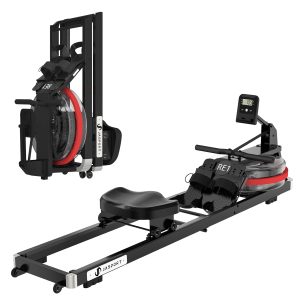
Rowing is an excellent way to increase fitness and endurance. Whether in a gym or at home, rowing machines are very popular. But many users ask themselves: How often should you change the water in a rowing machine? In this article, we'll cover the most important aspects to consider to keep your rowing machine in top condition while maintaining hygiene.
The importance of water changes
Any rowing machine that uses water requires regular maintenance. Water not only provides resistance but also plays a crucial role in the longevity of the machine. Algae, bacteria, and other microorganisms can form in the water, especially if it is left standing for extended periods. These can not only impair resistance but also compromise hygiene.
How often should you change the water?
The rule of thumb for how often you should change the water depends on several factors, including frequency of use, the environment, and the water temperature. Generally, we recommend changing the water every 4 to 6 weeks if the device is used regularly. For less intensive use, you can change it every 8 to 12 weeks.
An ideal water change interval is crucial to ensuring safe use of your rowing machine. A simple system for monitoring water level and quality can be very useful here.
Tips for changing the water
To extend the life of your rowing machine and maintain hygienic conditions, follow these tips:
- Check water quality: Make sure the water is clear and not cloudy. If you notice algae or contaminants, change the water immediately.
- The right amount of water: It is recommended to use the amount of water recommended by the manufacturer to ensure optimal resistance.
- Clean regularly: Clean the rowing machine regularly, especially the areas that come into contact with water.
- Avoid milky or cloudy liquid: Use only fresh water or water that has been appropriately treated. A water purifier can help keep microorganisms under control.
Proper care of the rowing machine
In addition to changing the water, you should also consider other maintenance measures. Here are some additional tips for caring for your rowing machine:
- Regular inspection: Check all parts regularly for wear or damage.
- Avoid exposure to sunlight: Do not store the rowing machine in direct sunlight, as this may damage the materials.
- Manual cleaning: Wipe your rowing machine with a damp cloth after each use to remove dirt and sweat.
The role of chlorophyll and disinfectants
Some manufacturers recommend adding a special water conditioner to the water to inhibit the growth of algae and bacteria. Products containing chlorophyll or other natural disinfectants can be helpful here. These products help significantly improve water quality and typically need to be refilled every few months, depending on usage.
Prioritize hygiene and safety
Hygiene is a key aspect of using a rowing machine. Ensure your hands are always clean when using the machine and avoid using it if someone with a contagious disease is nearby. This not only protects the user but also extends the lifespan of the machine.
Conclusion and final thoughts
A rowing machine can become a valuable part of your fitness routine, provided you take proper care of it. Regular water changes, combined with careful cleaning and maintenance, will ensure your rowing machine will provide you with years of enjoyment. By following the tips above, you can extend the lifespan of the machine and ensure optimal hygiene. Be sure to check on your equipment regularly and service it as needed for optimal results.