Free shipping in DE
  30 day returns
  Secure payment
  2 years warranty
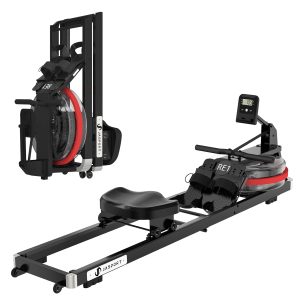
Rowing machine: How long should you train daily?
Rowing is one of the most effective forms of exercise, building both endurance and muscle tone. More and more people are choosing rowing machines to achieve their fitness goals. But how long should you train on a rowing machine each day to achieve optimal results? This article provides comprehensive information and tips on workouts, intensity, and the benefits of rowing.
Benefits of rowing
Training with a rowing machine offers a multitude of benefits. Not only does it strengthen the muscles in the legs, back, and arms, but it's also gentle on the joints. Many people are looking for a sport that trains both strength and endurance—that's where the rowing machine comes in. It also improves coordination and strengthens the cardiovascular system.
How long should you train on the rowing machine each day?
The ideal training duration depends on several factors, including your fitness goals, fitness level, and the type of training. For beginners, it's recommended to start with 20 to 30 minutes per day. This time can be gradually increased depending on your individual progress and goals.
For beginners
Beginners should be careful not to overdo it. It's important to learn the technique and gradually get used to the strain. Training for 20 to 30 minutes, two to three times a week, can already produce positive effects. After a few weeks, you can increase the training time and frequency.
For advanced
Advanced athletes can increase their training sessions to 30 to 60 minutes per day. Training can also be made more intense to further challenge the body. This could include interval training, alternating between periods of intense rowing and recovery.
For competitive athletes
Professional rowers or competitive athletes require significantly longer training sessions. These can range from 60 to 120 minutes per day and are generally of higher intensity, while also taking recovery time into account. Nutrition and the overall fitness program also play an important role here.
The right technique
Technique plays a crucial role in rowing. Incorrect technique can not only lead to ineffective training results but also to injury. Make sure you learn the correct movement sequence. It's advisable to watch videos or consult a trainer if necessary. The basic movement consists of four phases: the pull, the pull, the extension, and the return.
Tips to increase motivation
The biggest enemy of training is motivation. Here are some tips to keep your motivation high:
- Set goals: Set realistic and measurable goals. These could be weekly exercise goals or weight goals.
- Find a training partner: Working together is more motivating. Find a training partner who will support and challenge you.
- Variety: Vary your workout to avoid monotony. Try different rowing techniques or combine it with other training methods.
- Listen to music: Create a playlist of your favorite music to make your workout more enjoyable.
Influence of nutrition and recovery
The combination of training, nutrition, and adequate recovery is crucial for training success. Make sure you eat a balanced diet rich in protein, carbohydrates, and healthy fats. It's especially important to provide your body with the necessary nutrients after training. Recovery time should also not be neglected to avoid overtraining.
Rowing is an excellent way to improve your fitness. How long you should train each day depends on your individual situation. By continually adjusting your workouts and paying attention to nutrition and recovery, you can achieve the best results. Create space for your progress and enjoy the growing success on your journey to a fitter lifestyle.