Free shipping in DE
  30 day returns
  Secure payment
  2 years warranty
Rowing machine cable defective: Causes, solutions and tips for repair
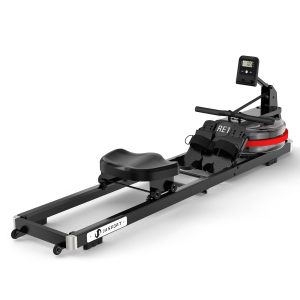
Rowing machines are an excellent way to stay fit in your own home. They offer an effective full-body workout and are a welcome alternative to the gym. However, as with any piece of exercise equipment, problems can arise with rowing machines. A broken cable is a particularly common problem. In this article, we'll explore the causes of broken cables, possible solutions, and offer valuable repair tips.
Causes of a defective cable pull
Like any mechanical device, the rowing machine is susceptible to wear and tear and damage. The cable, one of the central components of a rowing machine, can fail for a variety of reasons:
- Material fatigue: The rope, which is often made of plastic or nylon, can become brittle and break over time, especially with frequent use.
- Incorrect handling: Improper use, such as excessive loading or improper storage, can also lead to rapid wear of the cable pull.
- Environmental influences: Moisture, dust and extreme temperatures can attack the materials of the cable pull and shorten its service life.
- Technical error: Sometimes product-specific defects or design errors can also lead to a defective cable pull.
Symptoms of a defective cable
It's important to recognize the symptoms of a defective cable early to prevent more serious damage to the rowing machine. Signs may include:
- A “creaking” noise while rowing.
- Difficulty in rowing characterized by unstable or heavy resistance.
- Cracks or visible damage to the rope.
- An uneven or halting movement.
Steps to diagnose a defective cable
If you suspect that your cable is damaged, it is recommended that you perform some diagnostic steps:
- Visual inspection: Check the cable carefully for cracks or wear.
- Functional test: Test the rowing machine to determine if the cable is functioning normally.
- Checking the anchor points: Make sure that the suspensions and anchor points are not loose or damaged.
- Resistance setting: Check that the resistance settings are correct.
Repair options for a defective cable pull
Depending on the diagnosis, different repair methods may be necessary:
- Replacing the cable: In many cases, the easiest way is to replace the entire rope. This can often be done by the manufacturer or at a specialist shop.
- Lubrication of the mechanics: Sometimes simply lubricating the moving parts can help improve functionality.
- Retightening the screws: Check all screws and connections for tightness. Sometimes simply tightening the structural components is enough to improve performance.
- Professional repair: If the problems persist, it is advisable to consult a specialist who specializes in fitness equipment.
Tips for preventing cable pull defects
To ensure your rowing machine stays in perfect condition for as long as possible, here are some preventative measures:
- Regular Maintenance: Check your rowing machine at least once a month for any signs of wear.
- Consider the environment: Store your rowing machine in a dry and clean place to avoid environmental damage.
- Proper technique: Make sure to use the device properly and avoid overloading.
- Lubrication: Use appropriate lubricants for moving parts to minimize wear.
Conclusion
A broken rowing machine cable doesn't have to mean the end of your fitness journey. With the right information, tips, and measures, you can quickly identify and resolve problems. Remember, regular maintenance and careful use are key to the longevity of your rowing machine.