Free shipping in DE
  30 day returns
  Secure payment
  2 years warranty
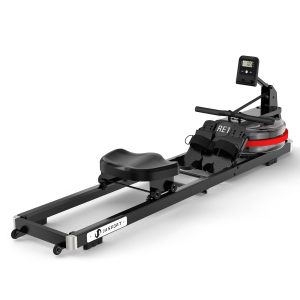
Rowing machine roundback: The ultimate guide for better training
Rowing is not only a fantastic way to increase endurance but also to activate a variety of muscle groups simultaneously. A common problem many people experience when rowing is a hunchback. This problem can both impair training results and lead to long-term health problems. In this article, we'll explain what hunchback is, how to avoid it when rowing, and which exercises and tips are helpful for improving posture.
What is hunchback?
A hunchback is a term used to describe an unnatural curve of the spine. This posture can occur both sitting and standing. In rowing, where upright posture and proper form are crucial, a hunchback can reduce the effectiveness of the workout and increase the risk of injury. Incorrect posture can also lead to overstressing certain muscle groups.
The effects of hunchback when rowing
When rowing with a hunched back, the exercises become less effective because the pulling force isn't transferred optimally. The core and back muscles are damaged, which can also lead to muscular imbalances. Furthermore, poor posture increases the risk of injuries, especially in the lower back and shoulders. A healthy, straight back is therefore crucial for successful rowing and overall good health.
How to avoid a hunchback when rowing
1. The right technique
Proper rowing technique is key. Start with an upright posture. Your feet should be firmly anchored in the foot straps and your back should remain straight. Make sure your chest is tilted slightly forward, but not so far that you hunch your back. Keep your shoulders down and away from your ears as you row.
2. Strength training for the back muscles
To prevent a hunchback, it's important to strengthen your back muscles. Exercises like deadlifts, barbell rows, and pull-ups are effective for strengthening the muscles in your upper and lower back. A strong back ensures you can maintain proper posture while rowing.
3. Mobility exercises
Flexibility plays a major role in maintaining proper posture. Regular mobility exercises, such as stretches for the chest and shoulder region, help reduce tension and improve mobility. For example, wall stretches and chest openers can help stretch the shoulders and promote better posture.
Tips for effective training with the rowing machine
Here are some tips to help you get the most out of your rowing machine workout:
- Warm up: Begin each training session with a thorough warm-up. Muscle activation exercises prepare your body for rowing.
- Increase frequency and intensity: Increase the frequency and intensity of your training gradually to avoid overloading.
- Find a training partner: A partner can help check your technique and motivate you.
- Regeneration: Plan enough recovery time to give your body the opportunity to regenerate and prevent injuries.
The role of professional guidance
Optimizing your training can often be challenging. Professional guidance from a trainer can help you learn the correct technique and incorporate tailored exercises into your training plan. A trainer can help identify weaknesses and offer targeted exercises to compensate for them.
closing thoughts
Rowing is an excellent sport that offers numerous health benefits. By applying the tips and techniques in this article, you can ensure you get the full benefits of rowing without the risk of developing a hunchback. Investing in your rowing posture and technique is important not only for fitness but also for your long-term health.