Free shipping in DE
  30 day returns
  Secure payment
  2 years warranty
Rowing Machine Muscle Strain: The Ultimate Analysis
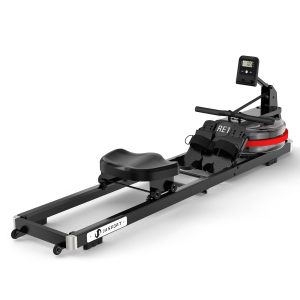
The rowing machine has become one of the most effective pieces of fitness equipment available on the market. With many people looking for an effective way to achieve their fitness goals, the rowing machine has gained popularity in recent years. But how exactly does this versatile piece of equipment work our muscles? In this article, we'll examine the muscles activated during rowing and how different techniques and settings affect muscle strain.
1. The Basics of Rowing
Rowing is one of the most effective sports for improving aerobic fitness and muscle strength. It works virtually the entire body, making it an extremely effective form of fitness. The movement involves pulling the oar, flexing and extending the legs, and supporting our core muscles for stability and balance.
2. Main muscle groups activated when rowing
Rowing engages several muscle groups, including:
- Leg muscles: The thigh muscles, especially the quadriceps and hamstrings, are very active during the backward movement. The calf muscles are also engaged.
- back muscles: The latissimus dorsi and lower back muscles play an essential role in pulling the belt.
- Shoulders and arms: Pulling the strap also works the biceps, triceps and shoulder muscles, resulting in effective arm and shoulder strengthening.
- abdominal muscles: The entire core muscles are engaged to keep the body stable during movement. This contributes significantly to core stability and posture.
3. The effects of rowing techniques on muscle strain
The way we row has a major impact on muscle strain. There are several techniques we can use to train specific muscle groups more intensively:
- Slow rowing technique: This technique is particularly well-suited for building muscle. Slow, targeted movements challenge the muscles in a different way.
- Fast rowing technique: Higher speed often leads to improved cardiovascular fitness. This technique places different demands on the muscles and can increase endurance.
- Short sprints: Interval training with short, intense sprints can help maximize muscle performance while increasing fat burning.
4. Avoiding injuries and proper technique
While the rowing machine offers many benefits, there's also a risk of injury, especially if the technique isn't performed correctly. Here are some tips to help prevent injury:
- Maintain an upright posture while rowing to avoid putting pressure on your lower back.
- Avoid excessive pulling on the strap as this can cause shoulder strain.
- Fully stretch your legs before you start pulling to distribute the pressure evenly.
5. Rowing machines in comparison
There are many different rowing machines on the market, each with its own unique functionality. Some of the most common types are:
- Water rowing machines: These devices use water as resistance, simulating a natural rowing gesture.
- Air rowing machines: They create resistance through air movement and can be adjusted sufficiently based on the intensity of rowing.
- Magnetic rowing machines: These devices use magnets to provide consistent resistance, allowing for smoother movement.
6. The role of nutrition
To maximize muscle strain during rowing, nutrition is also crucial. The body needs the right mix of carbohydrates, proteins, and fats to obtain the necessary energy and optimally regenerate muscles. A well-balanced diet not only supports your training routine but also contributes to rapid recovery and muscle building.
7. Tips for improving rowing performance
To increase efficiency and performance while rowing, the following tips should be considered:
- Set realistic goals to track your progress.
- Vary your training to target different muscle groups.
- Incorporate stretching and mobilization exercises into your workout for better flexibility.
By learning more about the rowing machine and the associated muscle strain, you can make your workouts even more effective. Whether for muscle building, increasing endurance, or improving general fitness – the rowing machine provides an excellent foundation for achieving your fitness goals and optimally shaping your body.