Free shipping in DE
  30 day returns
  Secure payment
  2 years warranty
Rowing machine for which muscles: A comprehensive guide
The rowing machine is an excellent exercise machine that offers many benefits and targets a variety of muscle groups. In this article, we'll explore the different muscles used during rowing, as well as the positive effects of rowing training on overall fitness and health.
The basic muscle groups in rowing
Rowing with a rowing machine activates various muscle groups. Here are the main muscle groups you'll target when training with a rowing machine:
- back muscles: The latissimus dorsi, also known as the broad back muscle, is one of the main muscles used in rowing. It helps pull the oar and strengthens the back.
- Leg muscles: The thigh muscles, including the quadriceps and hamstrings, are heavily engaged during leg extensions. This not only leads to leg strengthening but also improved endurance.
- core muscles: The abdominal and back muscles work together to ensure a stable core. A strong core is crucial for transferring power from the legs to the arms.
- arm muscles: The biceps and triceps are also activated, especially during the final phase of rowing when the oar is pulled towards the chest.
Benefits of rowing training
Rowing is not only effective for strengthening muscles, but also has many other benefits:
- Stamina Improvement: Rowing is a cardiovascular workout that helps increase endurance and strengthen the cardiovascular system.
- Gentle on the joints: Unlike many other workouts, rowing is low impact, making it an ideal choice for people of all ages.
- Reduce body fat: Regular rowing can help you lose body fat because it burns calories and boosts your metabolism.
- Stress Relief: Like many sports, rowing has psychological benefits that come from the release of endorphins during exercise.
Rowing machines in comparison
There are many different rowing machines on the market that use different technologies. Here are some of the most common types:
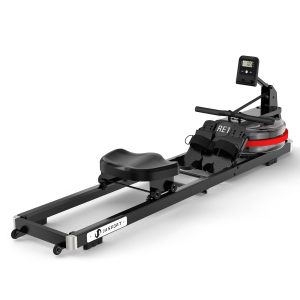
- Water rowing machines: These machines provide a realistic rowing feel and utilize water resistance. They are ideal for an intense and intensive workout.
- Air rowing machines: These devices use air resistance and are known for their high resistance at faster rowing speeds.
- Magnetic rowing machines: These are quieter and offer a smooth, even movement, making them ideal for home use.
Optimal technology for best results
To effectively train your muscles and avoid injury, it's important to master the correct technique. Here are some tips to help you:
- Correct sitting position: Make sure you are sitting comfortably and your feet are firmly on the pedals.
- Movement technique: Start with your legs, then engage your core and pull the oar with your arms. The sequence is crucial for maximum efficiency.
- Breathing: Breathe regularly and deeply while rowing to maximize your endurance.
Creating an effective rowing workout
Now that you know more about the muscles and benefits of rowing, you can create an effective workout program. Here's a simple example:
Example rowing workout:
- 5 minutes warm-up at a moderate pace
- 20 minutes interval training (1 minute fast, 1 minute slow)
- 5 minutes cooling down at a slow pace
You can adjust the intensity and duration depending on your fitness level and vary the workout regularly to keep it exciting.
Conclusion on the rowing machine
The rowing machine is one of the most versatile pieces of fitness equipment on the market. It provides comprehensive muscle activity and can help you achieve your fitness goals. Whether you're a beginner or an experienced athlete, rowing training can be incorporated into your routine to promote strength, endurance, and overall well-being. Reap the benefits of this great sport and incorporate rowing into your daily routine!