Free shipping in DE
  30 day returns
  Secure payment
  2 years warranty
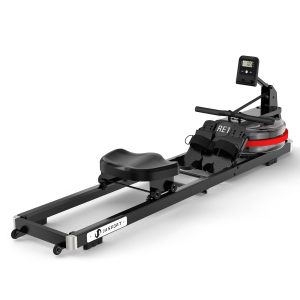
Rowing machine for lumbar disc herniation: The ideal choice for gentle training
A herniated disc in the lumbar spine can lead to significant pain and limited mobility. Many sufferers wonder how they can stay physically active despite this challenge. Training with a rowing machine offers an effective solution. In this article, you'll learn why a rowing machine is particularly beneficial for people with a herniated disc and what aspects to consider when selecting and using one.
Advantages of the rowing machine
The rowing machine is one of the most versatile pieces of fitness equipment, suitable for both endurance and strength training. Whether you're a beginner or an advanced rower, the rowing machine offers numerous benefits, especially for people with back problems.
- Gentle training: The rowing machine allows for gentle and joint-friendly training, which is especially important when recovering from a herniated disc.
- Strengthening the back muscles: Rowing strengthens the entire back muscles, which leads to better stability of the spine.
- Posture improvement: Regular training on the rowing machine promotes an upright posture, which can prevent back pain.
- Weight reduction: Since excess weight puts additional strain on the intervertebral discs, the rowing machine can help you lose excess weight and increase your overall fitness.
What to look for when choosing a rowing machine
When choosing a rowing machine, there are some important criteria that should be considered, especially for people with a herniated disc. Here's an overview of the most important aspects:
1. Adjustable resistance
A rowing machine with adjustable resistance is a good choice, as it allows you to customize the intensity of your workout. Start with a low resistance to avoid overtraining your muscles, and gradually increase it as you feel comfortable.
2. Ergonomic seating position
Make sure the rowing machine offers an ergonomic seating position. A well-padded seat and optimal legroom are crucial to avoid strain on the lumbar spine.
3. Possibility of use while sitting
For people with severe pain or limited mobility, sitting while rowing can be an important feature. Look for machines that offer a seating mechanism that allows for sitting-only exercise.
4. Stability and quality
A stable rowing machine offers greater safety during training. Pay attention to reviews and product tests to ensure the model you choose is also suitable for heavier users.
Rowing training: tips and exercises
Start your workout at a gentle pace and make sure you use proper technique to avoid injury. Here are some tips for your rowing workout:
1. Warm up
Start each workout with a 5- to 10-minute warm-up. This could include light stretching or gentle rowing with minimal resistance.
2. Instructions on the correct technique
Proper rowing technique consists of four main movements: the entry, the pull, the return, and the release. Make sure to keep your back straight and initiate the movement from your legs. Your upper body should be slightly tilted forward while rowing, which minimizes strain on your lumbar spine.
3. Regular breaks
Listen to your body. If you feel pain, take a break. It's important to listen to your body's signals and, if necessary, take a break or stop your workout.
Nutrition as a support for recovery
In addition to exercise, nutrition also plays a crucial role in restoring back health. Make sure you eat a balanced diet and choose foods that have anti-inflammatory properties, such as:
- Fatty fish (such as salmon and mackerel)
- Nuts and seeds
- Fruits and vegetables with high antioxidant content (e.g. berries, spinach, broccoli)
These foods can help reduce inflammation in the body and promote overall well-being.
Conclusion
A rowing machine is an excellent choice for people with a herniated disc in the lumbar spine. Not only does it provide an effective and low-impact workout, it also helps strengthen back muscles and improve overall fitness. With a careful selection of the rowing machine and the right training method, you can return to an active lifestyle.