Free shipping in DE
  30 day returns
  Secure payment
  2 years warranty
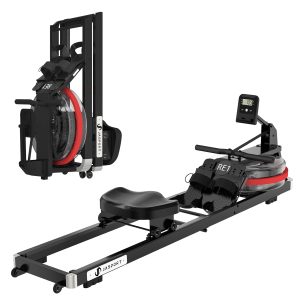
Rent a rowing machine: The advantages and tips for your training
In today's fast-paced world, many people tend to look for flexible and efficient ways to stay fit. Rowing machines have proven to be an excellent way to improve endurance and muscle tone. Instead of buying a rowing machine, renting one could be an ideal solution. In this article, we'll explore the benefits of renting a rowing machine and offer practical tips for your workout.
Why a rowing machine?
Rowing is one of the most effective forms of exercise, combining both strength and endurance. It engages multiple muscle groups simultaneously, including the back, legs, chest, and arms. This results in a holistic workout that not only burns fat but also builds muscle.
The advantages of renting a rowing machine
- Cost efficiency: Buying a high-quality rowing machine can be expensive. Renting one allows you to save money while still gaining access to one of the best workout machines available.
- Flexibility: If you're unsure whether rowing training fits your lifestyle, renting is a risk-free way to try it out.
- Maintenance and Care: With rental equipment, repairs and maintenance are often included, so you don't have to worry about upkeep.
- Large selection: Many fitness centers or online platforms offer a variety of rowing machines for rent, so you can choose the one that best suits your needs.
Where can I rent rowing machines?
There are several ways to rent a rowing machine:
- Gyms: Many gyms offer rowing machines for rent, especially if you are a member.
- sports shops: Some local and online sporting goods stores have rental programs for fitness equipment, including rowing machines.
- Peer-to-peer platforms: sites like eBay classifieds or special rental platforms enable private individuals to rent sports equipment.
Tips for effective rowing training
To get the most out of your rowing workout, consider the following tips:
1. The right technique
Good technique is crucial to avoid injury. Begin in the starting position with your back straight and your feet firmly planted on the footrests. Pull the handle toward your body in a fluid motion, making sure to keep your elbows close to your body.
2. Warm-up and cool-down
As with any sport, warming up is important for rowing. A short 5-10 minute warm-up will help prepare your muscles and prevent injury. Don't forget to cool down after your workout to relax your muscles and promote recovery.
3. Vary your routine
To keep your workout exciting and achieve maximum benefits, vary your rowing exercises. Mix interval training with longer endurance sessions. Also, use different speeds and resistance levels.
4. Proper nutrition
A balanced diet supports your training program. Make sure you consume enough protein for muscle building and carbohydrates for energy. Drink enough water to stay hydrated.
5. Set goals
Set realistic goals for your rowing training. Track your progress to stay motivated and adjust your goals as needed.
Rowing training for different fitness levels
Whether you're a beginner or an advanced rower, rowing machines offer the flexibility to create a suitable workout.
For beginners
Start with short sessions of about 10-15 minutes at a low intensity. Focus on proper technique and breathing evenly.
For advanced
Incorporate interval training into your routine by alternating between intense rowing sessions and recovery phases. This not only improves endurance but also promotes fat burning.
Common mistakes when rowing
To get the best results from your training, you should avoid certain common rowing mistakes:
- Poor posture can lead to back pain. Keep your back straight!
- Rowing too fast makes effective training intensity difficult.
- Gripping the handle too tightly can lead to tension. Keep it loose and relaxed.
Conclusion
Rowing machines are a great way to stay fit, and renting one offers many benefits. Whether you're a beginner or an experienced rower, the tips in this article can help you get the most out of your rowing workout. Use the available resources to customize your workout and make it efficient.