Free shipping in DE
  30 day returns
  Secure payment
  2 years warranty
Rowing Correctly: How to Get the Most Out of Your Rowing Machine
The rowing machine is an effective training tool that not only improves your endurance but also targets a variety of muscle groups. Whether you're a beginner or an experienced athlete, understanding proper rowing technique is crucial to achieving optimal results and avoiding injury. In this article, we'll cover the basics of rowing, tips on proper technique, and specific exercises to maximize your workout.
The Basics of Rowing
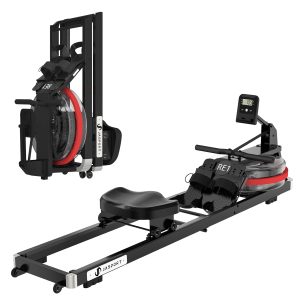
Rowing simulates the motion of water rowing and is an excellent way to build strength and endurance simultaneously. Using a rowing machine engages a combination of legs, core, and arms, making it a comprehensive workout. Basic movements include:
- The starting position: Sit on the rowing machine seat with your back straight. Your feet should be firmly planted on the footboard, your legs slightly bent.
- The Drive: Starting with your legs, push off and simultaneously pull the rowing handles towards your upper body.
- The Return: Extend your legs again while moving the handles forward in a controlled manner.
The right technique
Technique is the heart of successful rowing training. Incorrect movements can not only impair your performance but also lead to injury. Pay attention to the following points:
1. Posture
Keep your back straight while rowing. Poor posture can cause long-term damage. Your shoulders should be relaxed and positioned straight over your hips.
2. Breathing
Controlled breathing during training is crucial. Inhale deeply as you return to the starting position and exhale as you perform the drive.
3. Rhythm
Develop a consistent rhythm. Ensure each repetition is smooth and controlled to get the most out of your workout.
Tips to Improve Your Rowing Technique
To get the most out of your rowing machine, you should continually work on your technique. Here are some tips:
- Gather feedback: If possible, have a coach or experienced rower observe you and give you feedback on your technique.
- Video Analysis: Record yourself rowing to analyze your technique.
- Regular exercise: Practice specific movements regularly to train your muscles and improve your technique.
training plans for the rowing machine
To maximize the efficiency of your workout, you can try different training plans:
Beginner training
A simple 20-minute workout is suitable for beginners:
- 5 minutes of warm-up at low intensity
- 10 minutes of moderate rowing
- 5 minutes cool-down at low intensity
Advanced training
For experienced rowers, a more intensive plan may be helpful:
- 5 minutes warm-up
- 10 intervals of 1 minute of maximum effort, followed by 1 minute of recovery
- 5 minutes cool-down
Rowing for the whole family
The rowing machine is a great way for the whole family to get active. Many machines are designed to accommodate different body sizes and fitness levels, meaning everyone in the household can use the rowing machine to achieve their fitness goals.
The Health Benefits of Rowing
Rowing offers numerous health benefits, including:
- Improved cardiovascular fitness
- strengthening muscles and endurance
- Improved flexibility
- Low risk of injuries due to the joint-friendly movement
The right rowing machine for you
There are many different rowing machines on the market. When choosing the right one, you should consider the following points:
- System type: water, air, magnetic or hydraulic – each system has its own advantages and disadvantages.
- Space requirements: Make sure the device is space-saving, especially if you have limited space.
- Budget: Rowing machines can vary widely in price, so be prepared to invest in a high-quality machine.
Conclusion
While the rowing machine is an excellent way to increase your fitness, awareness of proper technique is key to successful training. Practice and patience are crucial to fully reaping the benefits of this effective exercise. Whether you do it alone or with the whole family, rowing is a great way to stay active while having fun.