Free shipping in DE
  30 day returns
  Secure payment
  2 years warranty
Treadmill Training: The Ultimate Guide to Effective Fitness Training
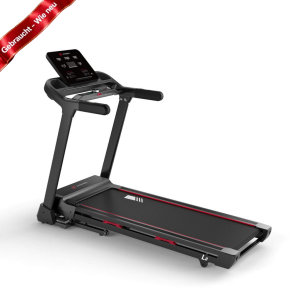
The treadmill is one of the most versatile and effective pieces of fitness equipment available. Whether you use it in all weather conditions or as a convenient home workout, the treadmill offers numerous ways to work on your fitness. But how do you get the most out of it? In this article, we explore the various aspects of treadmill training, including the benefits, the best exercises, and how to adapt your treadmill workout to your needs.
The benefits of treadmill training
Treadmill training comes with a host of benefits that make it an excellent choice for any fitness enthusiast. The main advantages include:
- Regardless of the weather: Whether it's raining, snowing or the sun is blazing outside, with a treadmill you can do your workout anytime.
- Minimize the risk of injury: Many treadmills are equipped with shock absorption systems that help reduce stress on the joints.
- Diverse training options: With different speeds and inclines, you can customize your workout to target different muscle groups.
- Tracking progress: Most treadmills offer digital displays to help you monitor your performance, including distance traveled, calories burned, and heart rate.
Choosing the right treadmill
Before you start training, it's important to choose the right treadmill. Consider which features are most important to you. Pay attention to:
- Drive: Treadmills with a powerful motor are ideal if you want to use faster speeds or higher inclines.
- Construction quality: A robust, stable treadmill offers greater safety and longevity.
- User friendliness: A clear display ensures that you have all the important information at a glance during your workout.
- Additional functions: Look for treadmills that offer access to workout programs and different running surfaces to add variety to your workout.
What type of training should I do?
The treadmill is suitable for various types of workouts, depending on your personal fitness goals. Here are some popular workouts:
interval training
Interval training involves alternating intensities, alternating short, intense running phases with less intense recovery phases. For example, run fast for 1 minute, then jog slowly for 2 minutes, repeating for 20 minutes.
Steady-state training
This means running at a steady pace for a longer period of time. This is a great way to improve endurance and promote fat burning.
Hill running
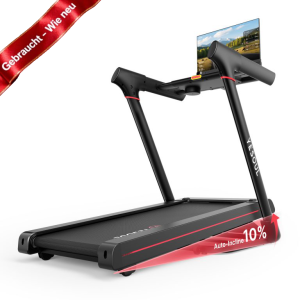
By increasing the incline of the treadmill, you can better train your leg muscles and burn additional calories because the effort is greater.
Tips for increasing effectiveness
Posture and technique
Make sure you maintain good posture while running or jogging. Keep your upper body upright, shoulders relaxed, and gaze forward. Your feet should land underneath you on the treadmill.
heart rate monitoring
Monitoring your heart rate is essential to ensure you're exercising in the right intensity zone. Many treadmills have a built-in heart rate monitor. Alternatively, you can use a fitness tracker or smartwatch.
Regular variation
To avoid boredom and target different muscles, frequently vary the speed and incline during your workouts. This not only helps with motivation but also improves the overall effectiveness of your workout.
After training: regeneration and stretching
Proper post-workout recovery is crucial. Take time to stretch after every run. This helps increase flexibility and reduces the risk of injury. Include simple stretches for your legs, hips, and back to relieve tension.
Additional resources and community
To boost motivation, look for running groups or online communities where you can share experiences and support each other. Sharing progress and goals can provide a huge motivational boost.
With the right information and approach, you can get the most out of your treadmill workout. Believe that consistency is the key to success—that is, regular training tailored to your individual needs.
Start your treadmill workout today and enjoy the benefits of a healthier lifestyle!