Free shipping in DE
  30 day returns
  Secure payment
  2 years warranty
Treadmill Cushioning: Why it's crucial for your running training
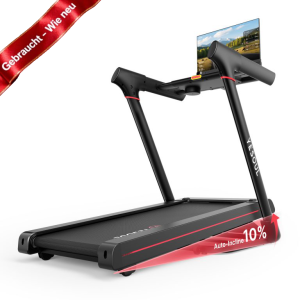
In today's fitness world, the treadmill is an essential piece of training equipment. Whether for indoor training during the winter months or for targeted interval runs, choosing the right treadmill can be crucial to your performance and your health. One of the most frequently discussed issues in this context is the treadmill's cushioning. But what exactly does that mean? And why is cushioning so important for your running training?
What is treadmill cushioning?
Treadmill cushioning refers to the system that absorbs impact forces while running. Every time your foot hits the treadmill floor, shocks are created that can stress your joints. High-quality cushioning reduces these shocks and can therefore help prevent injuries.
Why is good damping important?
Adequate damping has several advantages:
- Injury prevention: Balanced cushioning minimizes the risk of injuries such as shin splints or knee problems.
- Convenience: A well-cushioned treadmill offers more comfort while running, which is beneficial, especially during longer sessions.
- Performance increase: Less stressful impacts mean you can focus on improving your endurance and speed.
The different types of damping
There are many types of cushioning systems on the market today. There's what's known as "plate cushioning," which is often made of different materials such as rubber or plastic. Martin from FitnessExperten says: "The choice of cushioning should be tailored to your individual running style and training goals."
Another popular system is so-called "spring damping," which offers particularly high compressive elasticity. This type of damping can offer greater flexibility, but its effectiveness often varies depending on the manufacturing method.
How do you choose the right treadmill with the ideal cushioning?
When choosing the right treadmill, several factors should be considered:
- Budget: Quality treadmills can quickly add up. Set a realistic budget. Higher-priced machines often offer better cushioning systems.
- Usage: Do you plan to use the treadmill daily or only occasionally? Your decision will influence the model you choose.
- Personal preferences: Try out different models at the gym. Pay attention to which cushioning system you personally find most comfortable.
The influence of cushioning on running technique
Excessive cushioning can cause runners to suboptimally utilize their technique. Some experts recommend considering your own running technique when choosing a treadmill. A treadmill that's "too soft" could cause the runner to insufficiently focus on their footstrike, which can lead to incorrect movement patterns.
The role of cushioning in rehabilitation
For many returning from injury, proper cushioning is especially important. Physical and sports therapists often use treadmills with focused cushioning to help their patients return to running in a controlled manner. This design allows the body to recover in a safer environment without placing excessive stress on the joints.
Maintaining your treadmill: Keep an eye on cushioning
Maintenance of the damping system should not be neglected. Regular inspection and, if necessary, maintenance will ensure that the damping remains at the desired level. Make sure that there are no cracks or wear on the damping elements.
Summary of the main Points
A treadmill's cushioning plays a crucial role in your training experience and your physical health. Adequate cushioning can prevent injuries, increase comfort, and improve running performance. When choosing the right treadmill, consider your individual needs and running technique. Test different models and always pay attention to the quality of the cushioning system.