Free shipping in DE
  30 day returns
  Secure payment
  2 years warranty
Treadmills for blind and visually impaired people: A comprehensive guide
The world of sports has changed significantly in recent years, and this also applies to the opportunities available to blind and visually impaired people. Especially in the area of running, there are increasingly innovative solutions that enable these people to be active and achieve their fitness goals. In this article, we explore how treadmills are specifically designed for blind and visually impaired people, what features they offer, and how they promote independence and confidence.
The importance of exercise for blind and visually impaired people
Exercise is essential for overall well-being. For blind and visually impaired people, exercise can not only help improve physical fitness but also strengthen social interaction. A treadmill allows for safe and comfortable exercise without the risks associated with running outdoors. This can reduce the potential dangers on public paths and squares.
Features of treadmills for special needs
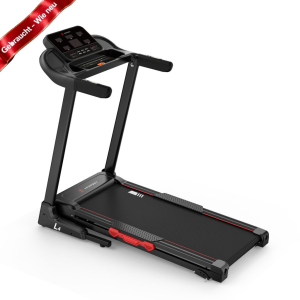
Treadmills designed for blind and visually impaired people offer special features that make training safer and more effective. Key features include:
- Acoustic and tactile feedback systems: Treadmills that emit audible signals or provide vibration-based feedback help users control their position and speed.
- Control by voice commands: Modern treadmills often offer voice control, which makes it easy for blind users to operate the device.
- Handrails and safety systems: Sturdy handrails provide additional support while running and improve safety on the treadmill.
Technological advances and their impact
Technology has enabled the industry to develop innovative products that meet the needs of visually impaired people. For example, some treadmills offer integrated apps that allow users to track their workout progress while receiving notifications via speech synthesis.
In addition, there are dedicated fitness communities focused on this target group. These communities not only offer support but also a platform for sharing experiences and achieving common training goals. This reduces not only physical but also social isolation.
Recommended treadmills for the visually impaired
Here are some of the best treadmills suitable for blind and visually impaired people:
- Life Fitness T3 Treadmill: With its user-friendly interface and the ability to provide audible feedback, this treadmill is an excellent choice.
- NordicTrack Commercial 2950: This model offers a variety of programs and can be controlled by voice commands.
- Sole F85 treadmill: It offers sturdy handrails and a variety of safety features to ensure safe training.
Training tips for getting started on the treadmill
For many people, starting to exercise on a treadmill can be challenging. Here are some tips that can help:
- Slow habituation: Users should first familiarize themselves with the treadmill before beginning intensive training sessions.
- Set realistic goals: Small, achievable goals help build self-confidence and maintain motivation.
- Partner for security: If possible, have a training partner with you to provide support during your first workout on the treadmill.
The future of running for blind and visually impaired people
Developments in the field of accessible fitness equipment show that more and more companies are adapting to the needs of people with disabilities. The coming years could bring many exciting innovations that make running even more accessible. With the right technology and support, running will not only be possible for blind and visually impaired people, but also an enriching experience that enhances their quality of life.
It's crucial that we as a society support and advance these developments so that everyone has the opportunity to stay fit and participate actively. By investing in inclusive technology, we can ensure that no one is excluded when it comes to health and fitness.