Free shipping in DE
  30 day returns
  Secure payment
  2 years warranty
Treadmills broken: causes, solutions and tips for prevention
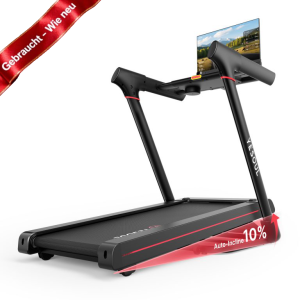
The treadmill is an essential piece of training equipment for many fitness enthusiasts. Unfortunately, like any piece of technical equipment, it can sometimes break down. In this article, we'll explore the most common causes of treadmill problems, the corresponding solutions, and offer valuable tips for preventing future failures.
1. Common causes of treadmill defects
1.1 Electrical problems
One of the most common causes of treadmill failure is electrical problems. This can be due to a faulty power supply, wiring issues, or a faulty motor. The first step to troubleshooting is to check all connections and ensure the machine is receiving proper power.
1.2 Mechanical problems
Mechanical problems often involve worn parts such as the treadmill itself, belts, or bearings. If you hear noises while running on the treadmill or notice irregular movement, mechanical problems are a likely cause. Regular maintenance and replacing worn parts are crucial.
1.3 Software problems
Modern treadmills have built-in computers and software that control their functions. Software issues can cause the treadmill to malfunction or shut down unexpectedly. In such cases, you should check whether a software update is necessary.
2. Solutions for common treadmill problems
2.1 Checking the power supply
The first step in troubleshooting a treadmill is to check the power supply. Make sure the machine is plugged in correctly and the power connection is working. If necessary, try using a different plug or device to check this.
2.2 Maintenance of mechanical parts
Maintain your treadmill regularly to prevent mechanical problems. This includes lubricating moving parts, checking and replacing the belt if necessary, and readjusting the belt. A well-maintained treadmill will operate more reliably and last longer.
2.3 Reset or update software
If your treadmill has software controls, try resetting the software. In many cases, simply restarting the machine can help. You should also visit the manufacturer's website to make sure the software is up to date.
3. Tips to avoid treadmill defects
3.1 Regular maintenance
Regular maintenance is key to preventing treadmill failures. Cleaning your treadmill regularly, inspecting it for visible damage, and performing maintenance according to the manufacturer's instructions can help you identify minor problems before they become major defects.
3.2 Proper training
Avoid pushing the treadmill beyond its limits. Pay attention to the recommended maximum weight and the manufacturer's usage instructions. Excessive weight or improper use can lead to premature wear or damage.
3.3 Observe environmental conditions
The environment in which the treadmill is installed can also have a significant impact on its performance. Keep the treadmill away from moisture, high temperatures, and dust. Maintain a clean and well-ventilated environment to extend the life of the device.
4. When you should consult a specialist
In many cases, you can fix minor problems yourself. However, if you encounter major difficulties or are unsure about how to fix them, it's advisable to consult a professional. An experienced technician can expertly diagnose problems and, ideally, resolve them before they worsen.
5. Fazit
Proper care and maintenance of your treadmill can help identify and prevent problems early on. This way, you can continue to enjoy your workout on a reliable fitness machine. If you have any questions or concerns, it's always best to seek expert advice. Because your health and fitness are our top priority.