Free shipping in DE
  30 day returns
  Secure payment
  2 years warranty
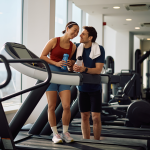

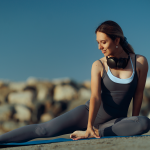
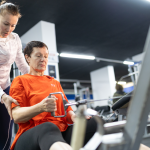
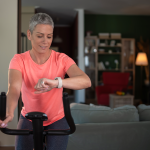

Exercising in hot weather can present some additional challenges, but with the right precautions, you can still exercise safely and effectively. Here are some important tips to keep in mind when exercising in hot environments.
1. Choose the right training time
Exercising during the hottest part of the day increases the risk of heat stroke. It is recommended to exercise in the early morning or late evening when temperatures are lower.
- Tomorrow: Temperatures are usually lower and air quality is better in the morning.
- Evening: After sunset, temperatures drop, making it suitable for outdoor activities.
2. Wear appropriate clothing
The right clothing can help you stay cool and comfortable.
- Lightweight, breathable clothing: Choose sportswear made of moisture-wicking materials that effectively wick away sweat and keep the body dry.
- Bright colors: Light-colored clothing reflects sunlight and reduces heat absorption.
- Hat and sunglasses: Protect your head and eyes from direct sunlight and reduce the risk of heat stroke.
3. Keep yourself hydrated
When training in the heat, the body loses fluid quickly, so adequate hydration is crucial.
- Drink plenty of water: Drink plenty of water before, during and after exercise to avoid dehydration.
- Electrolyte drinks: During long or intense exercise, sports drinks containing electrolytes can help replace lost minerals.
4. Adjust the training intensity
In hot weather, exercise intensity and duration should be adjusted to reduce the strain on the body.
- Reduce intensity: Reduce the intensity of your exercise to avoid overexertion.
- Reduce time: Shorten your training time and do several short training sessions instead of one long one.
5. Pay attention to body signals
When training in the heat, you should always pay attention to your body's reactions to avoid discomfort.
- Pay attention to symptomsIf you experience symptoms such as dizziness, headache, nausea or muscle cramps, you should stop training immediately and go into the shade.
- First aid measures: If you experience severe symptoms of heat stroke, such as changes in consciousness or rapid breathing, seek medical attention immediately.
6. Choose the right training location
In hot weather, the training location should be chosen carefully to minimize the risk of heat stroke.
- Gym: An air-conditioned gym is a good choice.
- Shady outdoor areas: Parks or green areas with shade are also suitable to avoid direct sunlight.
Conclusion
Exercising in hot weather requires special attention and preparation. By choosing the right time to exercise, wearing appropriate clothing, staying hydrated, adjusting exercise intensity, paying attention to body signals, and choosing the right place to exercise, you can stay healthy and minimize the risk of heat injury.
We hope you find this article helpful! If you have any questions or need further advice, please feel free to contact us.