Free shipping in DE
  30 day returns
  Secure payment
  2 years warranty
Which muscles are good for a rowing machine?
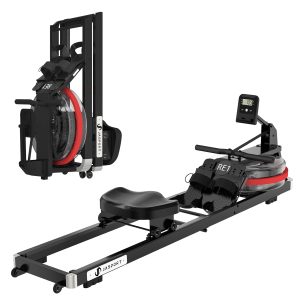
Rowing machines have become increasingly popular in recent years, and for good reason. They offer a complete workout that builds both endurance and strength. You may be wondering which muscles a rowing machine actually benefits most. Below, we'll explore the main muscle groups activated while rowing, as well as some of the additional benefits a rowing machine offers.
The most important muscle groups
Rowing activates many different muscle groups. Here are the main muscles involved:
1. move
Rowing is excellent for the back. The latissimus dorsi, the broad back muscle, is particularly well-trained during rowing. It also strengthens the rhomboid and trapezius muscles, which helps improve posture. A strong back is crucial for overall stability and protects against injury.
2. Legs
Rowing is an excellent exercise for the legs. The leg muscles, including the quadriceps, hamstrings, and calf muscles, are heavily involved in each rowing session. During the return movement, pressure is applied to the legs, leading to powerful muscular development. This makes the rowing machine an ideal choice for people looking to build their leg muscles.
3. Core
The core muscles, also known as the torso, are used more intensively during rowing than many people realize. The abdominal muscles and lower back are crucial for stability during rowing and play an important role in transferring power from the legs to the arms. A strong core not only improves rowing technique but also athletic performance in other disciplines.
4. Arms
The arm and shoulder muscles, especially the biceps and triceps, are also heavily stressed. The pulling motion activates these muscles, strengthening and toning them. The variable resistance of some rowing machines allows these muscles to be specifically trained.
Benefits of rowing
In addition to targeted muscle building, rowing offers many other benefits:
Cardio endurance training
A rowing machine provides an excellent cardiovascular workout. Rowing strengthens the heart and circulation, which reduces the risk of heart disease. Rowing is very effective because it trains both endurance and strength simultaneously.
versatility
A key advantage of rowing machines is their versatility. You can easily adjust the intensity and resistance, meaning you can create a workout that's perfectly suited to your fitness level and goals. Whether you're a beginner or an advanced athlete, a rowing machine can be tailored to your individual needs.
Protects joints
Another advantage is that rowing machines are gentle on the joints. Compared to other fitness equipment like treadmills, rowing puts less strain on the joints because the movement is fluid and smooth. This is especially beneficial for people who suffer from joint problems or want to prevent injuries.
Effective calorie burning
Rowing is also an excellent way to burn calories. A 30-minute session can burn between 200 and 400 calories, depending on intensity and body weight. This makes it a fantastic option for people looking to lose weight or increase their fitness level.
Conclusion
In summary, rowing machines are an excellent option for training almost all major muscle groups. In addition to building muscle, regular rowing has a positive effect on heart health and supports overall fitness. The versatility and adaptability of a rowing machine means everyone, regardless of fitness level, can benefit from this effective training method.
So, if you're looking for a comprehensive, effective, and low-impact workout, consider investing in a rowing machine. Start today to discover the many benefits rowing offers for your body and health!