Free shipping in DE
  30 day returns
  Secure payment
  2 years warranty
Effective rowing machine training: tips and techniques for maximum results
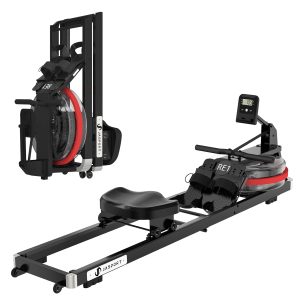
The rowing machine is one of the most versatile pieces of fitness equipment that can be used in the gym or at home. It provides an excellent cardiovascular workout while strengthening the muscles of the entire body. In this article, we'll show you how to optimize your rowing machine workout for the best results.
The advantages of the rowing machine
- full body workout: Rowing machines engage virtually all muscle groups, including the back, legs, arms, and abdominals. This effectively increases muscle definition and strength.
- Stamina Improvement: Regular rowing machine training improves cardiovascular fitness and endurance, which is essential for overall health.
- Gentle on the joints: Since the rowing machine has a low impact, the training remains gentle on the joints and is therefore also suitable for people with joint problems.
Tips for the right technique
To achieve the best results with the rowing machine, it's important to use the correct technique. Here are some basic tips to keep in mind:
The correct sitting position
Sit on the rowing machine with your back straight and your feet securely in the foot straps. Your knees should be slightly bent as you return to the starting position. Make sure your shoulders are relaxed and your arms are slightly bent.
Breathing technique
Breathe deeply as you initiate the rowing movement and exhale as you row back. Proper breathing technique is crucial to maximizing your endurance and increasing the efficiency of your workout.
The rowing movement
The rowing movement consists of four phases: the push, the transition, the retraction, and the recovery. Begin the push by applying pressure to the footplate with your legs while pulling your arms back. Then, slide your arms forward as you bend your legs again to return to the starting position.
Training programs and intervals
To vary your training routine and achieve the desired results, it is helpful to use different training programs:
Combine strength and endurance training
An ideal program might combine 20 minutes of strength training with 20 minutes of cardio. Start with the rowing machine to warm up your muscles, then move on to specific strength exercises like push-ups or squats.
interval training
Interval training is an effective way to increase both endurance and strength. Try rowing fast for 30 seconds, followed by 1 minute of slow rowing, and repeat for 20 to 30 minutes.
Common mistakes in rowing training
Despite the benefits of the rowing machine, some common mistakes can be made that reduce the effectiveness of your workout:
- Incorrect posture: Poor posture can lead to injuries. Always make sure you sit upright and keep your back straight.
- Too much load: Don't start at maximum intensity right away. Increase your training load gradually to avoid overexertion.
- Insufficient warm-up: A good warm-up is essential to avoid injuries and improve your performance.
Nutrition and regeneration
An effective workout doesn't end when you step off the rowing machine. Make sure to include nutrition and recovery in your fitness routine:
The right diet
To achieve the desired results, it's important to eat a healthy diet. Make sure you include enough protein, healthy fats, and complex carbohydrates in your diet. After your workout, protein shakes or healthy snacks are a good choice to support muscle recovery.
Regeneration
Give your body ample time to recover to avoid injuries and muscle tension. Make sure you get enough sleep and incorporate relaxing activities into your daily routine. Stretch your muscles after training to promote flexibility and speed up recovery.
Conclusion
Rowing machine training can be both effective and fun if you choose the right technique and approach. With the tips and training programs mentioned above, and awareness of common mistakes, you can achieve your fitness goals and improve your performance. Start your rowing training today and experience the benefits!