Free shipping in DE
  30 day returns
  Secure payment
  2 years warranty
The Benefits of Rowing: Why It's the Perfect Workout for Everyone
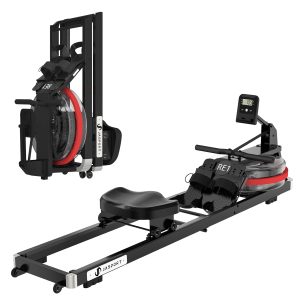
Rowing is one of the most effective and versatile sports available. Whether in the gym on a rowing machine or on the water itself, this sport offers numerous benefits for both body and mind. In this article, we take a detailed look at the diverse benefits of rowing and why it should be accessible to all of us.
1. Full body workout for all muscle groups
One of the outstanding benefits of rowing is that it engages virtually every muscle group in the body. When you sit on a rowing machine, you activate:
- Legs: The legs are the primary driving force during legwork. The calves, thighs, and glutes are heavily challenged.
- Back: The back is trained during each pull cycle, especially the latissimus and back muscles.
- Armed: The biceps and triceps are activated to operate the rowing machine.
- core muscles: The torso must remain stable and support posture throughout the rowing movement.
This comprehensive training not only strengthens the muscles but also improves overall fitness and well-being.
2. Improve cardiovascular health
Rowing is an excellent cardio workout that increases heart rate and improves endurance. Regular rowing can have the following health benefits:
- Strengthening the heart muscle.
- Improved blood circulation and blood flow.
- Reducing the risk of heart disease.
- Regulation of blood pressure and cholesterol levels.
The more you row, the more your cardiovascular system benefits. You can set the pace and intensity yourself, thus responding to your individual needs.
3. Weight reduction and management
Another notable attribute of rowing is its ability to aid weight loss. Rowing often exceeds the calorie burn rates of some other sports because it builds muscle while improving endurance. This effect contributes to fat burning. Studies show that:
- A one-hour rowing session can burn up to 800 calories, depending on your body weight and intensity.
- Regular rowing can increase the body's basal metabolic rate, which means that more calories are burned even at rest.
When combined with a balanced diet, rowing can be an effective tool in your repertoire for weight management and weight loss.
4. Reduce stress and improve mental health
Rowing isn't just a physical workout; it also has positive effects on mental health. The rhythmic movement and focus required while rowing can help reduce stress. How does rowing affect mental health?
- Release of endorphins: These “feel-good hormones” can help lift your mood and reduce stress.
- Improved concentration: Rowing requires focus and coordination, which can also improve performance in everyday life.
- Sense of togetherness: Rowing can also be done in a team, which promotes a sense of community.
Some people find inner peace and relaxation through rowing, similar to yoga or meditation.
5. Flexibility and adaptability
One of the best features of rowing is its flexibility. Whether you're a beginner or an experienced athlete, there are a variety of ways to adapt rowing to your abilities and goals:
- Adjustable intensity: You can vary the speed and resistance of the rowing machine to make it easier or harder.
- Different intensity levels: From gentle, steady rowing to high-intensity interval training – everything is possible.
- Accessibility: Rowing machines can be found in many gyms and can also be used at home. They are suitable for people of all ages and fitness levels.
This adaptability makes rowing an ideal sport for everyone, regardless of fitness level or goals.
6. Minimal impact on the joints
Unlike many other sports that place high stress on the joints (like running or basketball), rowing is a low-impact exercise. It allows for:
- Little strain on the knees, hips and lower back.
- Suitable for people with joint problems or injuries.
- The opportunity to remain active during rehabilitation.
This makes rowing a perfect workout for people of all ages, especially seniors or those in recovery.
7. The social aspect of rowing
Rowing not only offers physical benefits but also the opportunity to socialize. Whether at the gym or at a rowing club, rowing can be a communal experience:
- Team adaptations promote collaboration and team spirit.
- Common goals increase motivation.
- The opportunity to make new friends.
In addition, there are many events and competitions that provide a great opportunity to compete with others and celebrate achievements.
8. Tips for getting started with rowing
If you want to try rowing, here are some helpful tips for beginners:
- Start slowly: Take your time to improve your technique.
- Use videos or tutorials to learn the correct rowing technique.
- Try different paces: Vary between relaxing and intensive rowing.
- Create a workout plan to encourage regularity.
With these tips, you are well equipped to discover and enjoy this great sport for yourself.