Free shipping in DE
  30 day returns
  Secure payment
  2 years warranty
The comprehensive operating manual for your rowing machine
Welcome to our comprehensive rowing machine user guide. In this article, we'll introduce you to the most important features and operating instructions to help you get the most out of your workout.
Introduction to rowing machines
Rowing machines are excellent fitness equipment that offer a holistic workout for strength and endurance. They simulate rowing on water and activate many muscle groups simultaneously, including the back, legs, arms, and abdominals.
Structure and components of a rowing machine
Before you start training, it is important to know the basic parts of your rowing machine:
- Rowing arm: This part simulates the rowing movement and is the heart of the device.
- Seat: The seat moves on a rail and ensures smooth and stable movement.
- Footrests: These are important to securely fix the feet and ensure optimal power transmission.
- resistance system: This is the system that determines resistance while rowing. It can consist of water, air, or magnets.
- monitors: Most modern rowing machines have digital displays that show time, distance, calories burned, and heart rate.
setting up the rowing machine
Before you start training, make sure the device is set up correctly:
- Place the rowing machine on a flat and stable surface.
- Adjust the seat according to your height – the seat should not be too high or too low.
- Check the footrests: your feet should be well secured but not constricted.
- Adjust the resistance according to your fitness level – beginners should start with a lighter resistance.
The correct rowing technique
Proper technique is crucial for effective and safe training. Here are the basic steps:
1. The extract
Begin in a seated position with your knees bent. Push your legs down while simultaneously pulling the rowing arm toward your chest. Keep your back straight.
2. The final position
In the final position, you should have a nice, straight back, legs fully extended, and hands on your stomach. Keep your shoulders relaxed.
3. The way back
Lower your arms and bend your legs to return to the starting position. The movement should be fluid and controlled.
Training tips for more effectiveness
To achieve the best possible results from your rowing training, follow these tips:
- Warming: Always start with a good warm-up exercise to avoid injuries.
- Regularity: Exercise at least three times a week to see progress.
- Interval: Incorporate interval training to increase your endurance and maximize fat burning.
- Variation: Vary your workout routine to avoid boredom and target different muscle groups.
Common mistakes when rowing
To get the most out of your rowing training, avoid the following mistakes:
- An excessively curved back – this can lead to injuries.
- Rowing too quickly – this reduces effectiveness and can lead to poor technique.
- Emotional risks, such as overlooking pain or discomfort during exercise.
The benefits of rowing training
Rowing machines offer many benefits: They're gentle on the joints, promote endurance, and strengthen muscles. They can also help improve coordination and maximize calorie-burning.
Alternative training methods
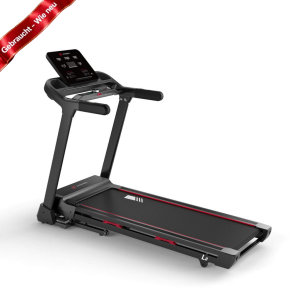
While rowing machines are extremely effective, there are other training options as well. Alternatives such as cycling, swimming, or using treadmills also offer extensive health benefits.
Conclusion
By incorporating these tips and techniques into your rowing workout, you can increase your efficiency and reach your fitness goals faster. Enjoy your workout on your rowing machine and watch your body become stronger and fitter!