Free shipping in DE
  30 day returns
  Secure payment
  2 years warranty
How to use a rowing machine correctly: Tips for beginners and advanced users
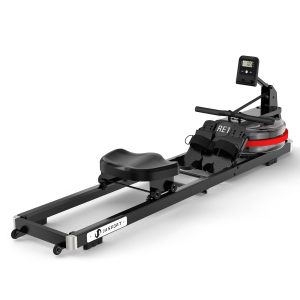
The rowing machine is a popular piece of training equipment in gyms and, increasingly, in home gyms. It offers an excellent way to build endurance and strength while protecting your joints and activating the muscles throughout your entire body. This article will teach you how to use the rowing machine effectively to get the most out of your workout.
Why rowing machine?
Rowing is one of the most efficient sports, working both the upper and lower body. It engages up to 85% of your muscles, meaning you get an effective workout in a relatively short amount of time. It's also gentle on the joints, making it suitable for people with injuries or joint problems.
The benefits of rowing training
- Strengthening muscles: Rowing machines train the back muscles as well as the legs and stomach.
- Cardiovascular training: Regulatory training strengthens the heart and improves endurance.
- Calorie burn: Rowing can burn up to 800 calories per hour, depending on intensity and weight.
- Gentle on the joints: Compared to other cardiovascular equipment, rowing is gentler on the joints.
The correct rowing technique
To fully reap the benefits of the rowing machine, correct technique is crucial. Incorrect form can not only reduce the effectiveness of your workout but also lead to injury.
The rowing movement in detail
The rowing movement consists of four phases: the starting position, the light phase (also called “drive”), the return phase and the preparation phase.
1. Starting position
Sit on the rowing machine with your feet securely in the footrests and your knees slightly bent. Your upper body should be upright and leaning slightly forward, with your arms stretched out in front of you. Hold the handlebars firmly but not tensely.
2. Light phase (Drive)
Begin the movement by pushing off with your legs. Make sure your legs work first, followed by your upper body, which leans back. Pull the handle close to your body and engage your back muscles as your upper body leans back slightly.
3. Repatriation
After you reach the end of the movement, bring your hands back forward and lean forward slightly as you bend your legs again. Keep your movements fluid and controlled.
4. Preparation phase
In this phase, return to the starting position and repeat the process. Make sure to row at a steady rhythm for the best effect.
Training units for beginners and advanced users
Whether you're a beginner or an advanced runner, the right training structure is crucial to your progress. Here are some suggestions to help you create effective workouts.
For beginners
- Warm up: Start with 5-10 minutes of light rowing to prepare your muscles.
- Interval training: Row for 20 minutes in intervals, e.g. 1 minute fast followed by 2 minutes slow.
- Cool down: Finish your workout with 5 minutes of light rowing followed by stretching.
For advanced
- Warm up: 5-10 minutes of light rowing followed by dynamic stretching exercises.
- High-intensity interval training (HIIT): 30 minutes with 20 seconds of maximum effort followed by 40 seconds of rest.
- Long distance training: Try to row at a steady, moderate pace for 40-60 minutes.
Tips for the correct use of the rowing machine
To have the best rowing experience, follow these tips:
- Wear appropriate athletic shoes that provide good support.
- Maintain the correct seat height to protect your joints.
- Vary your workout routine to increase the fun factor.
- Listen to your body and take breaks when necessary.
- Track your progress to stay motivated.
The Importance of Breathing
A common misconception when rowing is ignoring your breathing. Proper breathing not only improves your performance but also helps fuel your muscles better. Breathe out during the drive phase and inhale during the return. This rhythm will help you optimize your performance and give you more energy throughout your workout.
Avoid bad habits
Common mistakes to avoid when rowing are:
- Pulling with your hands instead of your legs.
- A movement that is too fast or jerky.
- A hollow back or an unhealthy posture during execution.
- Using too much weight or resistance in the initial training phase.
Conclusion
The rowing machine offers many benefits and is an effective tool for staying fit and increasing your strength. With the right technique, an effective training plan, and a little patience, you can significantly increase your fitness level. Try different variations and find your own rhythm. Enjoy your next workout!