Free shipping in DE
  30 day returns
  Secure payment
  2 years warranty
The perfect art of rowing: Maximize your muscles with a rowing machine
In today's fast-paced world, more and more people are looking for effective training methods that not only save time but also offer versatile benefits. The rowing machine has established itself as an outstanding piece of fitness equipment, suitable for both endurance and strength training. In this article, you'll learn how to use a rowing machine to build muscle and strengthen your cardiovascular system at the same time.
What is a rowing machine?
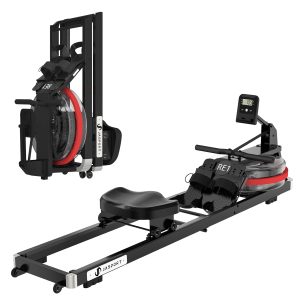
A rowing machine simulates the motion of rowing on water, targeting both upper and lower body muscles. It's a training tool commonly used in gyms or at home. The resistance can be adjusted depending on the model, making it a particularly flexible piece of equipment—ideal for beginners and professional athletes alike.
Muscle groups trained when rowing
Rowing is a full-body workout that activates various muscle groups:
- back muscles: The main muscles activated during rowing are the large back muscle groups, including the latissimus dorsi, trapezius and rhomboid muscles.
- arm muscles: Both the biceps and triceps are heavily involved when you perform the rowing movement.
- abdominal muscles: Strong core muscles are essential for stability and posture during training.
- Leg muscles: The thigh and calf muscles are also challenged, especially during the push.
Benefits of rowing
Rowing has many benefits that go beyond muscle building:
- Condition improvement: It improves your endurance and strengthens your cardiovascular system.
- Calorie burning: Rowing is highly effective when it comes to burning calories. One hour of intense rowing can burn up to 800 calories.
- Gentle on the joints: Compared to many other sports, rowing is a low-impact activity that reduces the risk of injury.
- Stress Relief: Like many sports, rowing has a relaxing effect and can help reduce stress and promote mental health.
Tips for proper rowing training
To get the most out of your rowing workout, here are some important tips:
- Technique before intensity: Make sure you're using proper technique before increasing the intensity. Proper posture is crucial to avoiding injury.
- Warm up: Start each workout with a thorough warm-up to prepare your muscles for the upcoming physical activity.
- Vary your training: Change your routine by incorporating interval training, endurance sessions, or mixed workouts to keep it interesting and challenging.
- Regularity is key: Try to exercise regularly to see the best results. Three times a week can already produce significant progress.
The right gear
Choosing the right rowing machine is crucial for a successful workout. There are several different types of rowing machines on the market, including air, water, and magnetic resistance machines. Each has its own advantages and disadvantages, so it's important to choose the machine that best suits your goals and budget. Look for an adjustable seat height, a spacious footrest, and a comfortable rowing bench to ensure you're comfortable during your workout.
Nutrition to support your training
Training alone isn't enough to make significant progress. A balanced diet plays a crucial role in muscle building and overall fitness. Make sure you include enough protein in your diet to support muscle recovery. It's also important to consume sufficient carbohydrates to replenish your energy stores before and after training.
Conclusion
Overall, rowing is an excellent way to increase strength and endurance simultaneously. With proper technique, regular workouts, and a balanced diet, you'll soon begin to enjoy the benefits of this effective training method. Whether you're an experienced rower or just starting out, there are always ways to improve and adapt your training plan for optimal results.