Free shipping in DE
  30 day returns
  Secure payment
  2 years warranty
The best ergometers and rowing machines for your home gym
In the world of fitness, there are countless machines designed to help you achieve your fitness goals. Two of the most popular machines are stationary bikes and rowing machines. In this article, we'll explore the advantages and differences between these two pieces of fitness equipment and find out which one best suits your needs. We'll also give you some tips on how to get the most out of your workout.
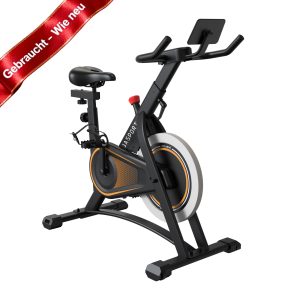
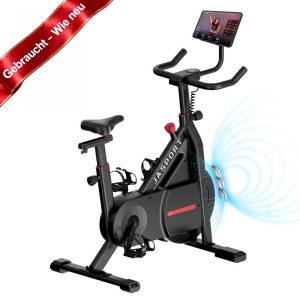
What is an ergometer?
An ergometer is a stationary bike that allows the user to cycle under controlled conditions. The device measures power output and distance traveled, making it an ideal device for serious athletes and recreational exercisers. Ergometers are not only effective for endurance training but also for the targeted training of specific muscle groups.
Advantages of the ergometer
- Gentle on the joints: Ergometers offer a low risk of injury because they protect the joints and thus allow for longer training sessions.
- Optimal cardiovascular training: Through targeted heart rate training, you can effectively increase your endurance.
- Flexibility: Ergometers can be set to different levels of difficulty, making them suitable for beginners as well as experienced athletes.
- Data analysis: Many ergometers are equipped with digital displays that show important training data such as heart rate, calorie consumption and wattage.
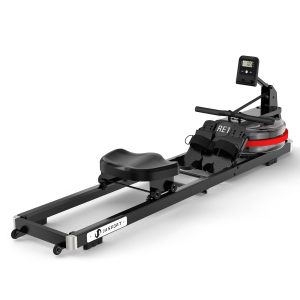
What is a rowing machine?
A rowing machine simulates the movements of rowing on water. It works virtually all muscle groups and is an excellent tool for a full-body workout. Rowing machines are particularly effective for building strength and endurance because they target both the cardiovascular system and the muscles.
Advantages of the rowing machine
- Full body workout: Rowing trains legs, back, stomach and arms simultaneously and ensures balanced posture.
- High calorie consumption: Rowing machines offer an effective workout that significantly increases calorie consumption.
- Improved posture: The rowing movement strengthens the core muscles, which leads to better posture.
- Space saving: Many modern rowing machines can be easily folded up and stored after use.
Ergometer vs. rowing machine – which is better for you?
Choosing between an ergometer and a rowing machine largely depends on your personal fitness goals. If your primary goal is to build endurance and prevent joint problems, an ergometer is the optimal choice. On the other hand, if you're looking for a holistic workout that builds both strength and endurance, a rowing machine is the better option.
Tips for effective training
Regardless of which device you choose, there are some general tips that can help you get the most out of your workout:
- Warm up: Start each workout with a 5-10 minute warm-up to prevent injury and prepare your muscles.
- Variation: Change your workout routine regularly to target different muscle groups and avoid boredom.
- Increase intensity: Gradually increase the intensity of your workout by changing the resistance levels or extending the duration of your workout.
- Regular breaks: Plan rest periods between workouts to allow your body the necessary recovery.
Conclusion
Whether you choose an ergometer or a rowing machine depends on your personal preferences and fitness goals. Both machines offer excellent opportunities to improve your fitness and maintain a healthy lifestyle. Remember, the key to success is consistency and that training should be fun!