Free shipping in DE
  30 day returns
  Secure payment
  2 years warranty
The importance of the ergometer flywheel for your training
When it comes to indoor cycling, the flywheel of the ergometer plays a crucial role. Many people who regularly train on an exercise bike often neglect the importance of the flywheel. But should this important element really be overlooked? In this blog post, we dive deep into the world of Ergometer flywheel to find out why it is so crucial to your training.
1. What is the ergometer flywheel?
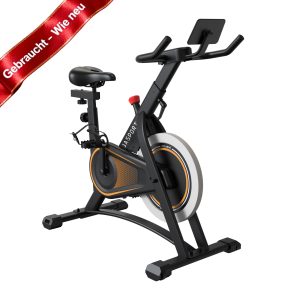
Before we dive deeper into the details, it's important to understand what exactly the flywheel of an exercise bike is and how it affects your workouts. The flywheel refers to the weight of the flywheel of an exercise bike. The heavier the flywheel, the smoother and more realistic the riding experience on the exercise bike will be. It also plays a role in creating resistance and the overall efficiency of your workout.
1.1 How is the flywheel mass measured?
The flywheel mass of an ergometer is measured in kilograms (kg). This weight indicates how much mass the machine's flywheel has and therefore affects the quality of your workout. It is important to note that not all ergometers have the same flywheel mass. Some models may have lighter flywheels while others have heavier ones, which can directly affect your workout.
2. Why is the flywheel important?
The flywheel of an exercise bike plays a crucial role in shaping your cycling experience. When you exercise on your exercise bike, the flywheel plays an important role in your performance and comfort during your workout. Here are some reasons why the flywheel is important:
2.1 Smooth driving experience
A heavier flywheel will provide a smooth and fluid riding experience. It will support your pedaling and create a more realistic feeling when cycling indoors. A lighter flywheel, on the other hand, can result in an uneven riding experience and affect your training results.
2.2 Efficiency of training
The flywheel mass also affects the efficiency of your workout. With a heavier flywheel, you can train more effectively because you have a more consistent resistance. This will help you reach your goals faster and improve your performance.
3. Tips for optimal use of the flywheel mass
To get the most out of your ergometer's flywheel, here are some valuable tips to help you optimize your training:
3.1 Adjusting the resistance
Adjust the resistance of your ergometer according to the flywheel mass. A heavier flywheel may require more resistance to achieve the desired training result. Experiment with different resistance settings to find the optimal workout for you.
3.2 Regular maintenance
Make sure your ergometer is serviced regularly to ensure optimum flywheel performance. Check the flywheel for wear and realign it if necessary to extend the life of the machine.
4. Fazit
The Ergometer flywheel is a crucial aspect of your indoor cycling training. By better understanding the importance of the flywheel, you can optimize your training and make it more effective. Be sure to keep an eye on the flywheel of your ergometer and use it to its full potential to achieve maximum results.
It is essential to consider the flywheel mass of your stationary bike if you want to improve your indoor cycling experience. By understanding the flywheel mass and incorporating it into your training, you can increase the quality of your workout and achieve your fitness goals more efficiently.
Start enjoying the benefits of the ergometer flywheel today and experience a new dimension of indoor cycling training!