Free shipping in DE
  30 day returns
  Secure payment
  2 years warranty
Understanding chronic pain – and why gentle movement is crucial
Chronic pain, meaning discomfort that persists beyond the normal healing phase, affects many people worldwide. It can last for weeks, months, or even years and significantly impair daily life – whether at work, during sleep, or in simple daily activities. Unlike acute pain, which serves as a warning signal from the body, chronic pain often loses its original function and develops into a burden in its own right.
Over time, this often leads to less movement. This can result in muscle weakness, restricted mobility, and additional psychological burdens such as stress or insecurity. At the same time, many classic forms of exercise – such as running, jumping, or intensive classes – are difficult for those affected to implement, as they can put a lot of strain on joints and sensitive structures.
This is precisely where gentle movement comes in. The goal is to keep the body active without overexerting it. Controlled, joint-friendly movements can improve blood circulation, mobility, and muscle activity. In this context, the Rowing machine for chronic pain as a particularly suitable option. The smooth, guided movement enables an effective full-body workout that can be individually adapted. This allows for movement without risking unnecessary strain or setbacks.
How it works: Why the rowing machine is considered easy on the joints
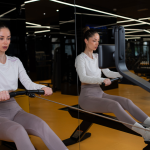
The rowing machine's particular suitability for chronic pain is based on its movement mechanics. The rowing stroke consists of four fluid phases: starting position, pull phase, finish position, and return.
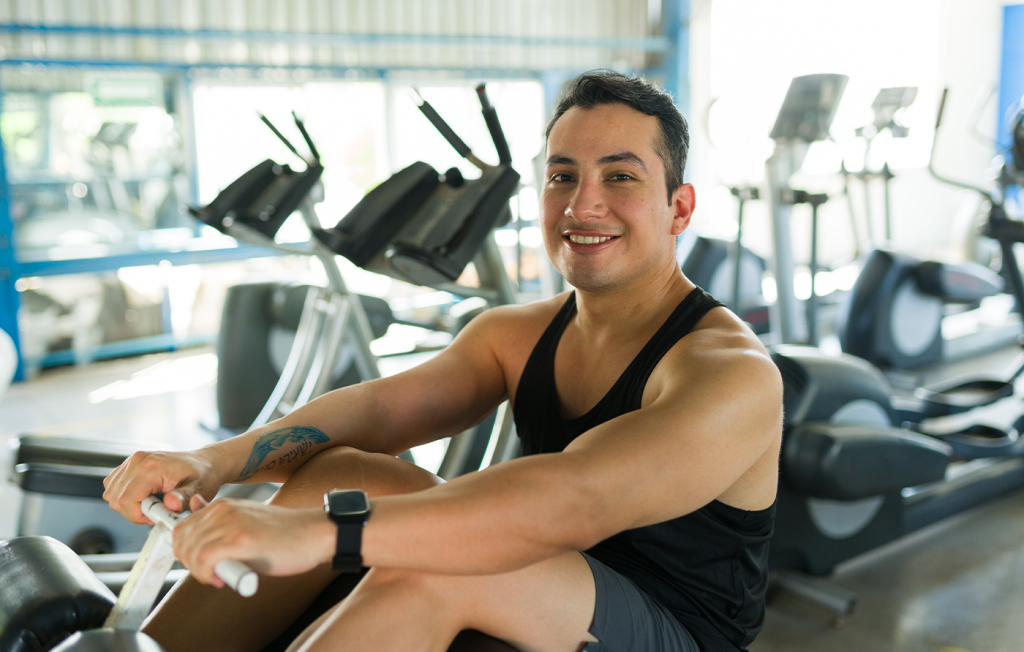
The starting position involves sitting with slightly bent knees, an upright torso, and arms extended forward. This position prepares the body for the movement without putting pressure on individual joints.
The pulling phase begins with the engagement of the legs. First, the legs and glutes push, then the upper body stabilizes, and only then do the arms pull the handle towards the body. This clear sequence ensures that the load is evenly distributed and no single structure is overstressed.
In the final position, the upper body remains stable while the core muscles actively engage. The controlled return to the starting position then follows: arms extend, upper body leans slightly forward, then the knees bend and the seat glides back. The entire movement is fluid and without impact – a crucial difference compared to many other training methods.
The resistance can also be individually adjusted. Depending on the device, this is achieved via air, magnetic, or water resistance. This allows the training to start very gently and be gradually increased as needed. It is precisely this adjustability that makes the Rowing machine for chronic pain to a training solution that can be used in the long term.
Benefits of rowing machines for chronic pain
A key advantage of rowing machines for those with chronic pain is the low stress they place on the joints. Areas particularly affected, such as the knees, hips, and lower back, are not subjected to harsh impact forces during rowing. Instead, the movement is guided and smooth. Regular training can help improve mobility and reduce stiffness.
Another advantage is targeted muscle building without overexertion. Chronic pain often leads to less activity in important muscle groups – especially in the torso and lower body. Rowing activates these muscles in a coordinated way and promotes balanced strengthening. This can improve overall body stability.
In addition, the training intensity is easily controllable. The training can be adapted to individual physical condition at any time. Being able to react flexibly is particularly important when dealing with fluctuating symptoms. Short, light sessions can be beneficial and help maintain a regular exercise routine.
The steady rhythm of movement also plays a role. Many people find rowing calming and focused. This combination of exercise and concentration can help reduce stress and improve overall well-being. Since chronic pain is often associated with mental strain, this effect should not be underestimated.
Integration into everyday life: How to get started
To the Rowing machine for chronic pain To use it effectively, a careful approach is crucial. Initially, the focus should be on proper technique, not intensity or speed. A stable posture and clean movement sequence help to avoid unnecessary strain.
A moderate start with two to three sessions per week, each lasting five to ten minutes, is recommended. Consistency is key. As your confidence grows, you can gradually increase the training duration to 15 to 20 minutes. Resistance should also be increased slowly.
A short warm-up before training – for example, with light mobilization exercises – optimally prepares the body. After training, simple stretching exercises can help to relax the muscles.
The key is to pay attention to your body's signals. On days with more pronounced symptoms, training should be adjusted or shortened. Even a very light session can be beneficial to maintain movement. Over time, this will create a stable and sustainable routine.
Sustainable support in dealing with chronic pain
Chronic pain requires a long-term and individualized approach. Rowing machine for chronic pain It offers a balanced combination of movement, adaptability, and joint protection. It enables effective training without putting unnecessary strain on the body.
Regular rowing can help improve strength, flexibility, and body awareness. At the same time, it fosters a positive attitude towards exercise – an important factor in managing chronic conditions.
A rowing machine isn't a quick fix, but it's a reliable tool for consistent, gentle exercise. With patience and the right approach, it can become a valuable part of an active and balanced lifestyle.