Free shipping in DE
  30 day returns
  Secure payment
  2 years warranty
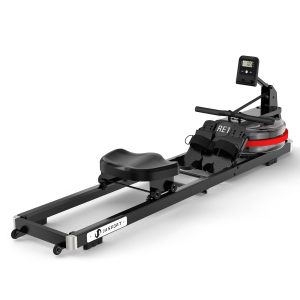
Osteoarthritis in the cervical spine: Rowing machine as a gentle solution
Osteoarthritis of the cervical spine is a widespread disease that affects many people.
It can lead to pain, limited mobility and even headaches.
In recent years, the rowing machine has established itself as an effective and joint-friendly way to
to strengthen muscles and improve mobility.
In this article, you will learn how the rowing machine can be used specifically for osteoarthritis in the cervical spine.
What is osteoarthritis of the cervical spine?
Osteoarthritis is a degenerative joint disease in which the cartilage between the joints wears away.
This can lead to pain and limitations in the cervical spine.
The symptoms are often insidious and can range from mild discomfort to severe pain,
that significantly impair everyday activities.
Typical symptoms are neck stiffness, pain in the neck and head, as well as
Pain in the shoulders and upper back.
The benefits of rowing for osteoarthritis
Rowing is a holistic sport that trains both endurance and muscles.
Here are some of the key benefits of using a rowing machine for people with cervical spine osteoarthritis:
- Joint-gentle training: Rowing does not put as much strain on the joints as other sports,
because the movement sequence is fluid and controlled. - Strengthening the muscles: Well-trained muscles can increase the stability of the cervical spine,
which relieves pressure on the joints. - Improved mobility: Regular training leads to better mobility
and less stiffness in the neck and shoulder area. - Stress Relief: Physical activity releases endorphins, which relieve pain and increase well-being.
How does training with the rowing machine work?
To use the rowing machine effectively, you should follow these steps:
- Warm up: Start with 5-10 minutes of gentle warm-up to prepare your muscles.
- Rowing: Start with short sessions, about 10 to 15 minutes, and increase the duration as needed.
- Correct technique: Pay attention to your posture: back straight, shoulders relaxed, and neck in a neutral position.
- cool-down: Finish your workout with some light stretching to relax your muscles.
Tips for effective training
To ensure that training with the rowing machine is effective and pain-free even in cases of arthrosis in the cervical spine,
The following tips may be helpful:
- Start slowly and gradually increase the intensity.
- Listen to your body: If you feel pain or discomfort, stop training immediately.
- Integrate additional stretching and mobilization into your training.
- It may be helpful to have the technology checked by a specialist.
Success stories: How rowing helped with osteoarthritis
Many people report positive experiences with rowing for osteoarthritis.
The combination of flexibility training and strength building has helped many
to significantly alleviate their symptoms and improve their quality of life.
An example is Anna, 62 years old, who after a year of regular rowing, her neck pain
by 70% and now feels more active than ever before.
Conclusion on rowing machines and osteoarthritis
The rowing machine is an excellent option for people suffering from osteoarthritis in the cervical spine.
It offers a joint-friendly workout that strengthens the muscles and improves mobility.
If you suffer from these symptoms, consider incorporating rowing into your daily routine,
to benefit from the many advantages of this sport.