Free shipping in DE
  30 day returns
  Secure payment
  2 years warranty
Rowing machine for herniated discs: The best choice for gentle training
A herniated disc is one of the most common causes of back pain and can significantly impact quality of life. Many sufferers look for suitable exercise equipment to get fitter again without risking further injury. A rowing machine could be just the right solution. In this article, we explore the benefits of rowing and provide useful tips for using a rowing machine safely if you have a herniated disc problem.
What is a herniated disc?
To understand the benefits of a rowing machine for a herniated disc, it's important to first understand what exactly happens when a disc herniates. Intervertebral discs are the "shock absorbers" between the vertebrae of the spine. If one of these discs becomes displaced or damaged, it can lead to pain, numbness, and other symptoms. Targeted training can help strengthen the back muscles and relieve pressure on the spine.
Why a rowing machine?
Rowing machines offer an excellent full-body workout that not only strengthens muscles but also improves endurance. While rowing, almost all muscle groups are active: back, abs, legs, and arms. This allows you to complete a gentle yet effective workout that doesn't place unnecessary strain on the intervertebral discs.
Benefits of rowing for disc problems
- Strengthening the back muscles: A strong muscular corset supports the spine and relieves pressure on the intervertebral discs.
- Gentle load: Compared to other fitness equipment, rowing does not place a high impact load on the spine.
- Posture improvement: Regular rowing can lead to better posture, which has a positive effect on your back.
- Flexibility in training intensity: You can individually adjust the resistance of the rowing machine and thus adapt your training to your needs.
How to Row Properly
Proper rowing training is crucial for success. Here are some tips for training effectively and safely on the rowing machine, especially if you suffer from a herniated disc:
1. Warm up
Always start with a proper warm-up. It's important to prepare your muscles and joints for the upcoming exercises. A five- to ten-minute warm-up, such as light stretching or easy rowing, is ideal.
2. The right technique
Pay attention to proper sitting position and rowing technique. Keep your back straight and your shoulders relaxed. Your feet should be firmly planted in the footrests. Start with your legs, followed by a rotation of your torso, and finally, pull your arms toward your body. Avoid jerky movements.
3. Slowly increase the intensity
Start at a low intensity and gradually increase it. Pay attention to how your body reacts and stop if you feel pain. Don't row for more than 15 to 20 minutes at first.
4. Stretch after training
Don't forget to stretch after your workout to promote flexibility and relieve tension. Pay particular attention to your back muscles.
Choosing the right rowing machine
When choosing a rowing machine, there are a few factors you should consider to ensure it meets your needs:
1. Type of resistance
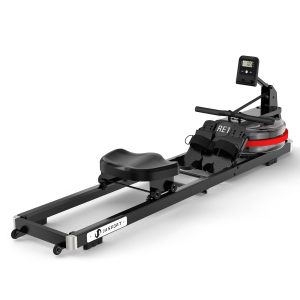
There are different types of rowing machines: air resistance, water resistance, magnetic resistance, and hydraulic resistance. Each type offers a different training experience and has its own advantages and disadvantages. For people with disc problems, a model with gentle resistance is recommended.
2. Ergonomics
Make sure the rowing machine offers a comfortable seating position and optimal foot support. A good rowing machine should be suitable for your height and shape.
3. Noise level
Quiet operation can be beneficial for your workout, especially if you live in an apartment. Pay attention to customer reviews to get an idea of the noise level.
Conclusion
Deciding to use a rowing machine as part of your rehabilitation for a herniated disc can be life-changing. With careful planning, proper technique, and awareness of your limits, rowing can not only help relieve pain but also significantly improve overall fitness and quality of life. Invest in your well-being!